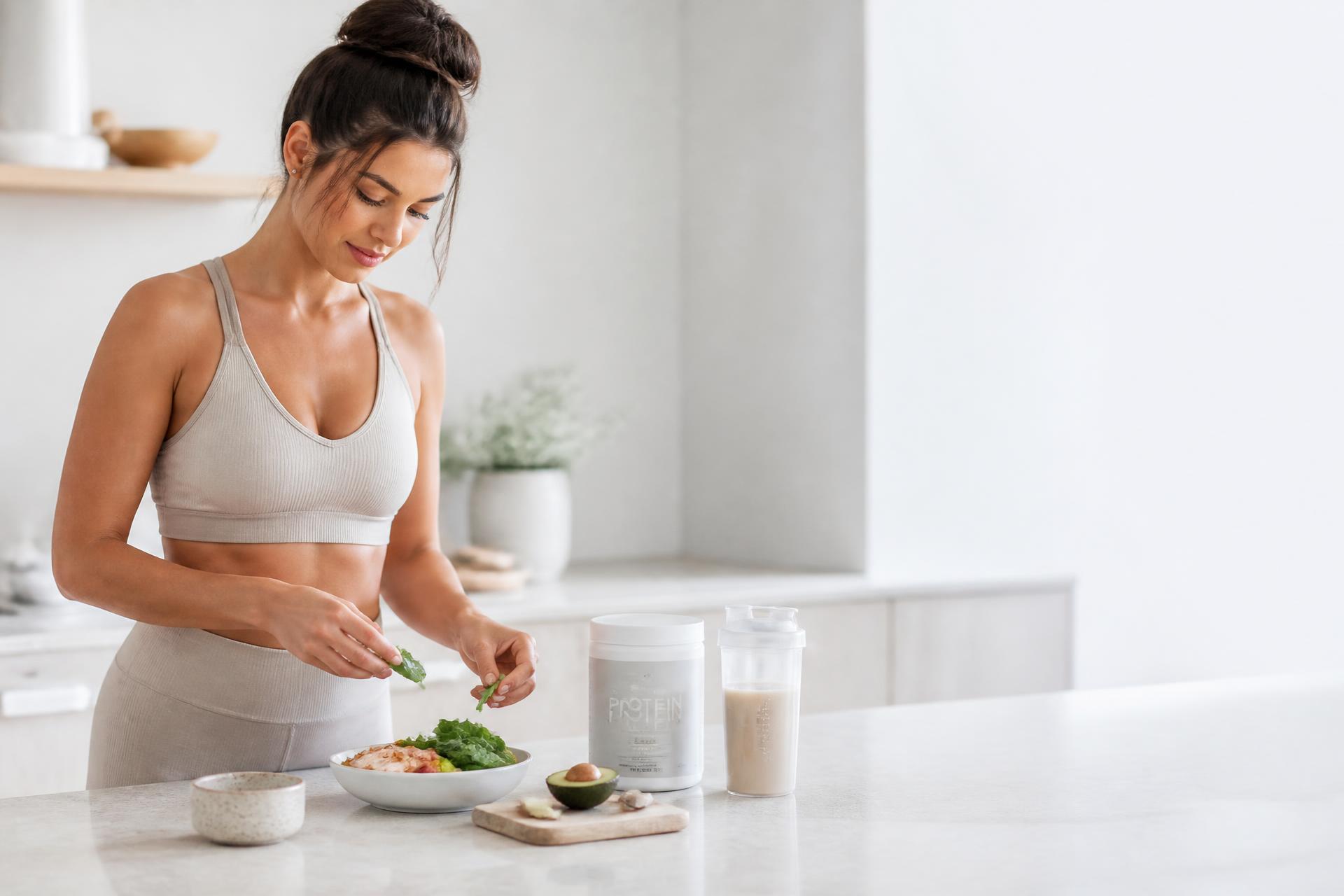
Women’s nutrition and fitness in New Zealand
Aotearoa New Zealand-focused guidance for turning healthy-eating and activity recommendations into realistic meals and routines.
- Measurements
- metric grams, millilitres and kilojoules, with Calories shown for comparison
- Local language
- registered dietitian · general practitioner (GP) · hot flushes · fibre
Build a varied pattern from local guidance
Health New Zealand guidance supports plenty of vegetables and fruit, wholegrain foods, legumes, nuts, seeds and suitable protein foods. Choose mostly minimally processed foods while leaving room for culture, whānau meals, budget and availability.
For menopause or PCOS, make changes that can survive ordinary weeks: add a protein anchor, increase plant variety and adjust portions instead of imposing an inflexible meal plan.
Use metric portions as a learning tool
New Zealand labels use kilojoules and metric servings. Procaaf accepts grams and presents Calories alongside protein, carbohydrates and fat. This makes it easier to compare the same meal when package serving sizes differ.
Numbers are most helpful for noticing patterns. They should not displace hunger cues, cultural foods or advice from a clinician who understands your health history.
Choose support that fits your context
A GP or registered dietitian can investigate ongoing symptoms and adapt advice for medicines, pregnancy, diabetes, kidney disease or disordered eating. Healthify and Health New Zealand provide local information to support—not replace—that conversation.
Trusted sources for New Zealand
- Health New Zealand eating and activity guidance
National guidance
- Healthify women’s health
New Zealand health information
- New Zealand Nutrition Foundation
Practical local nutrition education
Turn guidance into a useful next step
Procaaf is educational and does not diagnose or treat health conditions. See the women’s health FAQ and methodology and disclaimer.