Simple Skincare Routine for Women: Less, but Better
Build a simple skincare routine with gentle cleansing, moisturiser and SPF. Practical morning and evening steps, skin-type tips and habits to avoid.
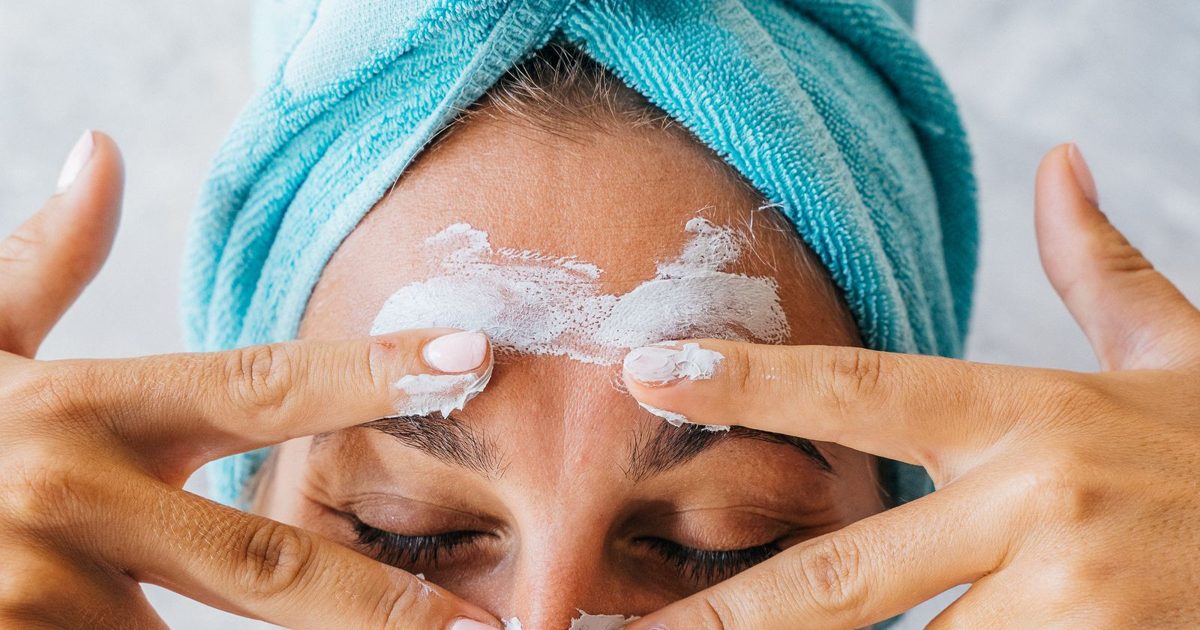
A simple skincare routine does not need ten steps. For many women, the useful foundation is gentle cleansing, moisturiser and sun protection. Choose products your skin tolerates and use them consistently; expensive packaging and a longer routine do not guarantee healthier skin.
Looking after your skin can be enjoyable, but you do not need to fix your face to deserve confidence. This guide focuses on comfort, protection and manageable habits—not flawless skin, lighter skin or a promised transformation. Persistent acne, eczema or rosacea may need treatment beyond these basics.
Morning: cleanse gently, moisturise, protect
Use a gentle cleanser and lukewarm water rather than scrubbing with hot water. Wash with your fingertips and pat dry. If your skin is very dry or reactive, ask a dermatologist how to adapt cleansing rather than adding stronger products.
Apply a moisturiser that feels comfortable. A richer cream may suit dry skin; a lighter, non-comedogenic product may suit acne-prone skin. Fragrance-free options are worth considering if fragrance irritates you. A product that stings repeatedly is not a sign that it is working.
Finish with broad-spectrum SPF 30 or higher on exposed skin. When outdoors, reapply every two hours and after swimming or sweating according to the label. Shade, hats and protective clothing matter too; sunscreen is not permission to stay in strong sun indefinitely.
Evening: remove the day without stripping your skin
Remove makeup and cleanse gently before bed. You do not automatically need a double cleanse, a toner or a scrub. Follow with moisturiser. If you use a prescribed treatment, follow its instructions; general product-order advice is not a substitute for those directions.
Start with the basics before adding an optional active ingredient. Introduce one new product at a time so you can tell what causes irritation. Retinoids and exfoliating acids are not essential for everyone. If you are pregnant or trying to conceive, check medicines and active ingredients with a clinician; avoid retinoids in pregnancy.
Three common mistakes to leave behind
Over-exfoliating: rough scrubs and multiple acids can leave skin uncomfortable. More tingling does not mean more benefit. Stop an irritating product and simplify the routine.
DIY fixes: lemon juice, toothpaste and abrasive kitchen mixtures can irritate skin. Natural does not automatically mean safe. Avoid unregulated skin-lightening products and never use a steroid cream on your face without medical advice.
Chasing every trend: take stock of what you already own. You can spend less by choosing a gentle cleanser, a suitable moisturiser and sunscreen instead of several products with overlapping ingredients.
Where food and everyday habits fit
Balanced meals, adequate sleep and not smoking support general health, but they cannot replace sun protection or treat every skin condition. No smoothie, detox tea or supplement guarantees a glow. For practical food ideas rather than miracle claims, read procaaf.com
Seek advice for painful or scarring acne, a persistent rash, or a changing mole. Stop a new product if it causes significant burning or swelling; severe swelling or difficulty breathing needs urgent care. Procaaf Coach can help organise meals and activity, not diagnose skin problems.
Sources and photo credit
American Academy of Dermatology: low-cost skincare basics aad.org and product order aad.org
Photo: Anna Tarazevich via Pexels pexels.com General education, not personalised dermatology advice.
 Skin Cycling: Is the Viral 4-Night Routine Worth Trying?The viral skin cycling routine explained: exfoliation night, retinoid night and two recovery nights, plus who should skip it and how to start gently.
 Beauty Sleep: What It Can—and Cannot—Do for SkinDoes beauty sleep work? A realistic guide to sleep and skin health, a calmer bedtime routine, dark-circle myths and when sleep problems need support.
 Menopause Skin Care: Gentle Help for Dry, Changing SkinDry or itchy skin around menopause? Learn gentle skincare habits, SPF basics, what products cannot promise and when changing skin needs medical advice.
 “Cortisol Belly”: What the Trend Gets Right and WrongIs cortisol belly real? What stress hormones actually do to belly fat, why 'cortisol detox' drinks don't help, and five habits backed by evidence.
Continue reading
 Women's Fitness · 6 minWall Pilates for Beginners: 6 Moves to Try at Home
A calm beginner wall pilates routine for women: six simple moves, how long to hold them, what wall pilates can and can't do, and safety tips.
 Women’s Digestion · 11 minHow to Reduce Bloating in Women: Food & Cycle Tips
Learn how to reduce bloating in women with practical food, eating and cycle tips—and recognize symptoms that need medical care.
- PCOS Nutrition · 10 minPCOS Diet Plan for Women: Weight Loss Guide
Build a practical PCOS diet plan for weight loss with protein, fibre, balanced carbs and flexible meal ideas for women in the US and UK.
