How to Reduce Bloating in Women: Food & Cycle Tips
Learn how to reduce bloating in women with practical food, eating and cycle tips—and recognize symptoms that need medical care.
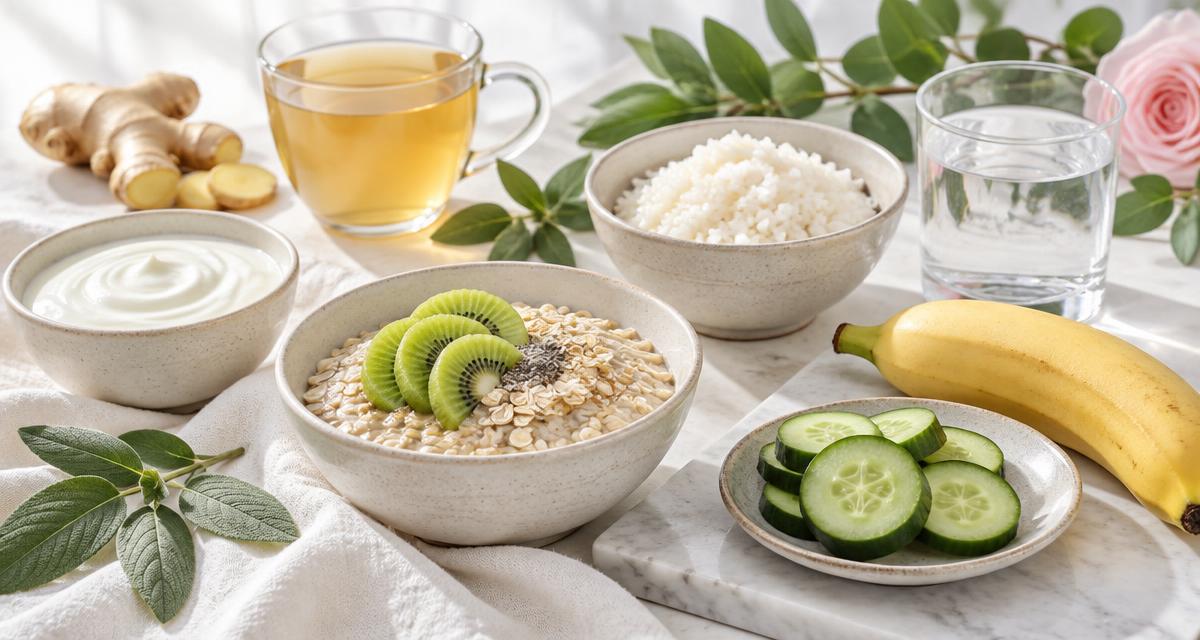
To reduce bloating, begin with the pattern rather than banning foods. Eat more slowly, avoid repeatedly swallowing air, keep portions comfortable, drink regularly and notice whether constipation, fizzy drinks, a sudden fibre increase or your menstrual cycle explains the timing.
Bloating is common and usually relates to gas or digestion, but women are often told to accept persistent symptoms as normal. Frequent or progressive bloating, pain or other warning signs deserve medical review. This guide helps with ordinary symptoms; it is not a diagnosis or a restrictive elimination plan.
First, identify your bloating pattern
For one or two weeks, note when bloating starts, bowel movements, menstrual-cycle timing, meal size and major food changes. A short record is more useful than a long list of foods labelled inflammatory. Bloating that builds through the day often has a different pattern from swelling that is constant on waking.
Notice constipation, diarrhoea, pain, early fullness and whether symptoms improve after passing stool or gas. Bring the record to a GP or registered dietitian if symptoms continue. Avoid commercial intolerance tests that are not clinically validated.
Use smaller, slower and more regular meals
Large meals stretch the stomach and can make normal fullness feel uncomfortable. Try three moderate meals with an optional snack, chew thoroughly and sit down to eat. Reduce habits that increase swallowed air, such as rushing, chewing gum or drinking large amounts through a straw.
Fizzy drinks can increase gas, while very salty meals can increase temporary fluid retention. You do not need a cleanse afterward; return to regular meals, water and gentle activity.
Adjust fibre gradually
Fibre supports bowel health, but a sudden jump in bran, beans or large raw salads can increase gas. Add one change at a time and drink enough fluid. Oats, kiwi, cooked vegetables and ground flax may feel gentler for some people than a very large dose of wheat bran.
If constipation is part of the problem, regular meals, fluids and movement can help. Persistent constipation, pain or a need for frequent laxatives should be discussed with a healthcare professional.
Periods, menopause and women’s symptoms
Changes in progesterone and estrogen across the menstrual cycle can affect bowel habits and fluid retention. Some women notice bloating in the days before a period. A cycle-linked pattern can be reassuring, but severe pain, very heavy bleeding or symptoms that disrupt daily life are not something to dismiss.
Perimenopause can also bring changes in digestion, activity, sleep and body composition. Do not assume persistent abdominal swelling is simply menopause. New or progressive symptoms still need assessment.
Do not remove gluten or dairy blindly
Lactose intolerance, coeliac disease and irritable bowel syndrome can cause bloating, but they require different approaches. Removing several food groups at once can create nutritional gaps and makes it difficult to identify the actual trigger. Coeliac blood tests are most accurate while you are still eating gluten.
A low-FODMAP diet can help some people with diagnosed IBS, but it is a structured, temporary process followed by reintroduction—not a permanent internet food list. Use it with a trained dietitian when possible. NICE guidance is at nice.org.uk and NHS bloating advice is at nhs.uk
Red flags and the right next step
Arrange medical review for bloating that happens regularly or does not go away, especially with unexplained weight loss, blood in stool, vomiting, fever, severe pain, a lump or a marked change in bowel habits. Urgent symptoms require urgent care. In women, persistent bloating can rarely be linked to ovarian disease, so frequency and change from your normal matter.
For ordinary meal planning, use Build a Plate to compare comfortable portions without labelling foods as forbidden. The Procaaf Coach can help organise a repeatable routine, but symptoms—not macro targets—should guide when you seek care.
Frequently asked questions
- How can a woman reduce bloating quickly?
- Gentle movement, regular fluids, slower eating and avoiding a very large meal may ease ordinary gas-related bloating. There is no guaranteed instant fix, and persistent or severe bloating needs assessment.
- Why am I more bloated before my period?
- Hormonal changes can affect fluid retention and bowel habits before and during a period. A symptom diary can help show whether the pattern is cyclical.
- Should I stop eating gluten if I am bloated?
- Not without a reason. Bloating has many causes, and removing gluten before testing can make coeliac disease harder to diagnose. Speak with a clinician before a strict elimination diet.
- When is bloating a warning sign?
- Seek medical advice for bloating that is persistent or frequent, especially with weight loss, blood in stool, vomiting, severe pain, a mass, fever, or a major change in bowel habits.
 Foods for Glowing Skin: What Actually HelpsDiscover foods that support healthy skin, hydration and collagen, with practical meal ideas and evidence-aware advice for women.
 Foods for Healthy Hair: A Women’s Nutrition GuideBuild a healthy hair diet with protein, iron, zinc and varied foods, plus learn when hair loss in women needs medical advice.
 What to Eat for Clear Skin: A Guide for WomenLearn what to eat for clear skin, what acne research suggests about diet, and when women should seek professional treatment.
- PCOS Diet Plan for Women: Weight Loss GuideBuild a practical PCOS diet plan for weight loss with protein, fibre, balanced carbs and flexible meal ideas for women in the US and UK.

Continue reading
- Menopause Nutrition · 13 minMenopause Diet Plan: Food, Exercise & Symptoms
A practical menopause diet plan for women in the US and UK, covering symptoms, protein, fibre, bone health, exercise and weight changes.
- Women's Nutrition · 7 minFoods for Hormonal Health: A Practical Guide
Learn which foods support normal hormone production, blood sugar, gut health and energy—and why no single food can balance hormones.
- Fat Loss · 6 minHow Much Protein Women Need for Fat Loss
A clear protein target for women in a deficit, why the usual 60 g falls short, and a day of real food that reaches it without extra calories.


