Foods for Healthy Hair: A Women’s Nutrition Guide
Build a healthy hair diet with protein, iron, zinc and varied foods, plus learn when hair loss in women needs medical advice.
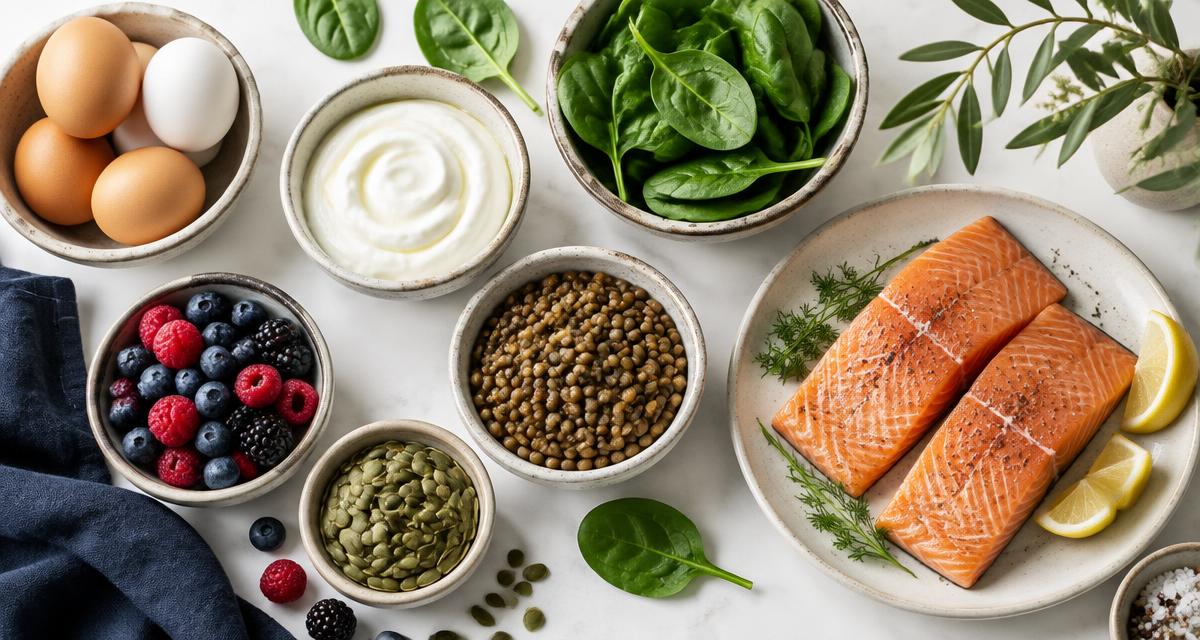
The best foods for healthy hair are not exotic. Hair follicles are active tissues, and they depend on enough total food, protein and micronutrients over time. Eggs, fish, yoghurt, tofu, beans, lentils, nuts, seeds and vegetables can all belong in a healthy hair diet.
Food is only one part of the picture. Genetics, thyroid disease, iron deficiency, PCOS, menopause, major stress, illness and the months after pregnancy can affect hair. A balanced plate supports normal growth; it cannot diagnose the reason for thinning or guarantee faster growth.
Protein comes before beauty supplements
Hair is largely made from keratin, a protein. Regularly under-eating protein or following a very restrictive diet can make it harder to meet the body’s needs. Build meals around eggs, dairy, fish, poultry, tofu, tempeh, beans or lentils rather than relying on a token sprinkle of seeds.
A practical day might include yoghurt at breakfast, lentils or chicken at lunch and salmon or tofu at dinner. The exact target varies with body size and activity. Build a Plate can show how much protein your usual portions provide without turning every meal into a supplement routine.
Iron matters especially for menstruating women
Low iron stores can be associated with hair shedding, but self-diagnosis is unreliable. Menstruating women, people with heavy periods, vegetarians and vegans may be at greater risk of low intake. Iron sources include red meat, shellfish, lentils, beans, tofu, fortified cereals and leafy greens.
Pair plant iron with vitamin C-rich foods such as peppers, citrus or berries. Do not start high-dose iron just for hair: excess iron can be harmful. Ask for medical assessment if you also have fatigue, breathlessness, heavy periods or restless legs. See NIH guidance at ods.od.nih.gov and NHS guidance at nhs.uk
Zinc, vitamin D and varied whole foods
Zinc supports normal cell division and protein synthesis. Meat, shellfish, dairy, beans, nuts and seeds contribute. Vitamin D status can also matter to general health, but a blood test and clinical context are more useful than guessing from hair alone.
Variety helps cover smaller nutrients without megadoses. Rotate protein sources, vegetables, fruit, grains, nuts and seeds. If you exclude whole food groups, use fortified foods or ask a registered dietitian how to close the gaps safely.
Biotin is not a universal hair-growth answer
Biotin is often promoted for hair and nails, yet deficiency is uncommon in people eating a varied diet. The NIH notes that evidence supporting high-dose biotin supplements for hair in people without deficiency is limited. Eggs, salmon, meat, seeds and some vegetables naturally provide biotin.
High-dose supplements can distort thyroid, heart and hormone laboratory results. Tell your healthcare team about any supplement before blood tests. Review the NIH biotin fact sheet at ods.od.nih.gov
When nutrition is not the whole answer
A clinician can distinguish common pattern hair loss from alopecia areata, scalp disease, medication effects, postpartum shedding and nutrient deficiency. Sudden loss, smooth bald patches, redness, pain or scarring deserve prompt assessment. The American Academy of Dermatology explains common causes at aad.org; NHS guidance is at nhs.uk
Use the Procaaf Coach to organise regular meals around your preferences, not to treat hair loss. Sustainable eating is valuable even when the cause requires medical treatment.
Frequently asked questions
- What foods help keep hair healthy?
- A varied diet with adequate protein plus iron, zinc, vitamin D and other micronutrients supports normal hair growth. Useful foods include eggs, fish, dairy or fortified alternatives, beans, lentils, tofu, nuts, seeds and leafy vegetables.
- Can low protein cause hair loss?
- Severe energy or protein restriction can contribute to shedding. Hair loss has many other causes, so persistent or sudden loss should be assessed rather than treated with diet alone.
- Should women take biotin for hair growth?
- Biotin deficiency is rare, and evidence for extra biotin in people without a deficiency is limited. High-dose biotin can interfere with laboratory tests, so discuss it with a clinician.
- When should I see a doctor about hair loss?
- Seek advice for sudden shedding, bald patches, scalp pain or scaling, loss after pregnancy that worries you, or thinning with fatigue, menstrual changes or other symptoms.
 Foods for Glowing Skin: What Actually HelpsDiscover foods that support healthy skin, hydration and collagen, with practical meal ideas and evidence-aware advice for women.
 What to Eat for Clear Skin: A Guide for WomenLearn what to eat for clear skin, what acne research suggests about diet, and when women should seek professional treatment.
 How to Reduce Bloating in Women: Food & Cycle TipsLearn how to reduce bloating in women with practical food, eating and cycle tips—and recognize symptoms that need medical care.
- PCOS Diet Plan for Women: Weight Loss GuideBuild a practical PCOS diet plan for weight loss with protein, fibre, balanced carbs and flexible meal ideas for women in the US and UK.

Continue reading
- Women's Nutrition · 7 minProtein for Women Over 40: How Much You Need and Where to Get It
Why protein needs rise after 40, the best protein foods for women, and how to hit 100+ g a day with ordinary meals — no shakes required.
- Women's Nutrition · 6 minIron-Rich Foods for Women: What to Eat and What Blocks Absorption
The best iron-rich foods for women, how much iron you need, why deficiency is so common, and the pairing trick that doubles absorption.
- Menopause Nutrition · 13 minMenopause Diet Plan: Food, Exercise & Symptoms
A practical menopause diet plan for women in the US and UK, covering symptoms, protein, fibre, bone health, exercise and weight changes.


