What to Eat for Clear Skin: A Guide for Women
Learn what to eat for clear skin, what acne research suggests about diet, and when women should seek professional treatment.
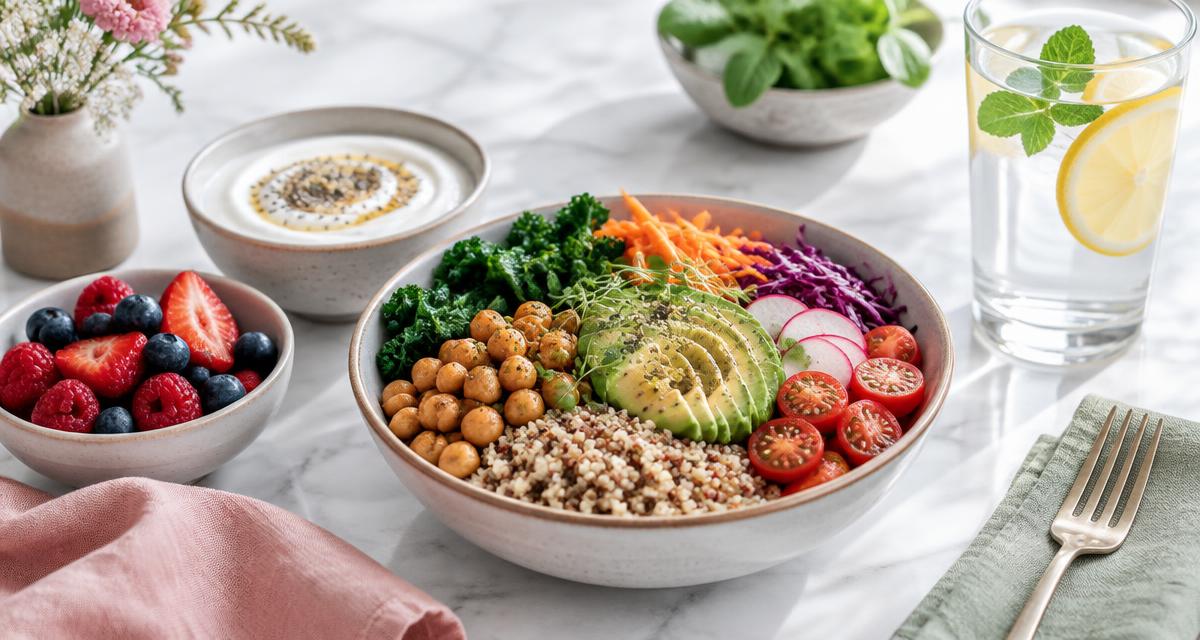
If you are wondering what to eat for clear skin, start with an honest answer: there is no food plan that guarantees no breakouts. Acne is influenced by oil production, blocked follicles, inflammation, hormones, genetics and some medicines. Diet may change acne severity for some women, but it is not a substitute for proven skincare or medical treatment.
The most defensible approach is a balanced eating pattern that keeps highly refined carbohydrates in proportion, provides enough protein and includes a wide range of plants. Test changes one at a time instead of cutting dairy, gluten, sugar and seed oils all at once.
Build lower-glycemic meals, not a zero-carb diet
Some studies suggest lower-glycemic eating patterns may improve acne for some people. That means choosing more beans, oats, whole grains, vegetables and whole fruit while pairing carbohydrates with protein and fat. It does not mean eliminating potatoes, bread, rice or fruit.
A useful plate is half vegetables, a quarter protein and a quarter carbohydrate, with some unsaturated fat. Examples include lentils with rice and salad, eggs with whole-grain toast and tomatoes, or tofu with vegetables and noodles. Portions and the overall day matter more than labelling one ingredient good or bad.
Be careful with dairy conclusions
Research has found associations between acne and some types of milk in certain populations, but observational studies cannot show that milk is the cause. Yoghurt and cheese do not always show the same pattern, and many women eat dairy without skin changes.
If you notice a repeatable pattern, discuss a time-limited trial with a clinician or dietitian. Replace calcium, iodine and protein rather than simply removing them. Fortified soy alternatives can help, but check the label because plant drinks vary widely.
Choose nutrients that support normal skin function
Vegetables and fruit supply vitamin C and carotenoids; fish, nuts and seeds provide unsaturated fats; eggs, beans, tofu, dairy and meat provide protein and minerals. These foods support normal physiology, but more of one nutrient is not a stronger acne treatment.
Avoid high-dose vitamin A or zinc supplements unless medically advised. Vitamin A can be toxic, especially during pregnancy, and excessive zinc can create other deficiencies. Food-first choices are safer for most people.
Hormonal acne, cycles and PCOS
Breakouts around the jaw or before a period are often described as hormonal, but appearance alone cannot diagnose the cause. Track timing alongside cycle symptoms, products, stress and medication. If acne comes with irregular periods, excess facial hair or scalp thinning, ask about assessment for PCOS.
A PCOS-supportive eating pattern can help metabolic health, but acne may still need topical or prescription treatment. Use food tracking to understand meals, not to blame yourself for a medical condition.
Know when to seek acne treatment
See a GP or dermatologist for painful nodules, scarring, sudden severe acne, significant distress or acne that does not improve with appropriate over-the-counter care. Pregnancy and pregnancy planning change which treatments are safe. The American Academy of Dermatology provides acne guidance at aad.org and the NHS guide is at nhs.uk
Build a Plate can help you create balanced meals while you observe patterns. The Procaaf Coach can organise those meals across a week. Neither tool replaces acne diagnosis or treatment.
Frequently asked questions
- What should I eat for clear skin?
- No diet guarantees clear skin. A balanced, lower-glycemic pattern with vegetables, fruit, whole grains, legumes, protein and unsaturated fats may help some people while supporting overall health.
- Does dairy cause acne in women?
- Observational studies find an association between some dairy intake and acne in some groups, but they do not prove that dairy causes acne for everyone. Avoid removing dairy automatically; track your own pattern and maintain calcium and protein from other sources if you trial a change.
- Can chocolate cause breakouts?
- Evidence is mixed and products differ greatly in sugar and milk content. One food rarely explains persistent acne. Look at the broader pattern and use proven skincare or medical treatment when needed.
- Can PCOS cause acne?
- PCOS can contribute to acne through androgen-related changes. Nutrition may support overall metabolic health, but persistent acne, irregular periods or excess hair growth warrant clinical assessment.
 Foods for Glowing Skin: What Actually HelpsDiscover foods that support healthy skin, hydration and collagen, with practical meal ideas and evidence-aware advice for women.
 Foods for Healthy Hair: A Women’s Nutrition GuideBuild a healthy hair diet with protein, iron, zinc and varied foods, plus learn when hair loss in women needs medical advice.
 How to Reduce Bloating in Women: Food & Cycle TipsLearn how to reduce bloating in women with practical food, eating and cycle tips—and recognize symptoms that need medical care.
- PCOS Diet Plan for Women: Weight Loss GuideBuild a practical PCOS diet plan for weight loss with protein, fibre, balanced carbs and flexible meal ideas for women in the US and UK.

Continue reading
- Women's Nutrition · 6 minIron-Rich Foods for Women: What to Eat and What Blocks Absorption
The best iron-rich foods for women, how much iron you need, why deficiency is so common, and the pairing trick that doubles absorption.
- Menopause Nutrition · 13 minMenopause Diet Plan: Food, Exercise & Symptoms
A practical menopause diet plan for women in the US and UK, covering symptoms, protein, fibre, bone health, exercise and weight changes.
- Women's Nutrition · 7 minFoods for Hormonal Health: A Practical Guide
Learn which foods support normal hormone production, blood sugar, gut health and energy—and why no single food can balance hormones.


