Foods for Glowing Skin: What Actually Helps
Discover foods that support healthy skin, hydration and collagen, with practical meal ideas and evidence-aware advice for women.
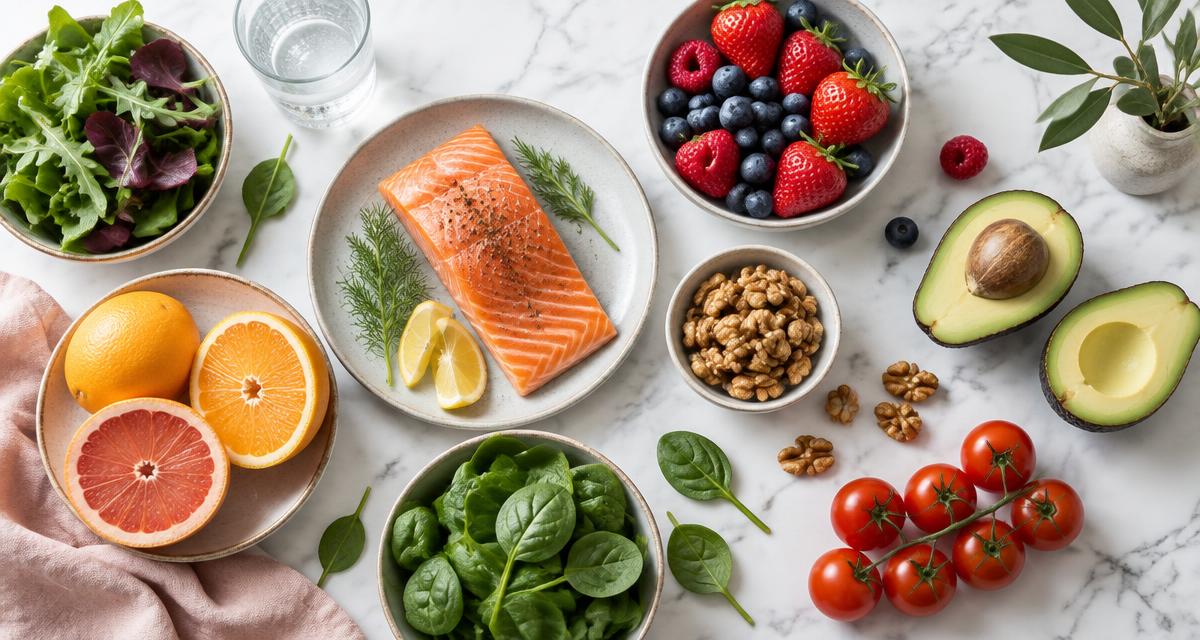
Foods for glowing skin are not a secret list or a seven-day cleanse. Skin needs enough energy, protein, essential fats, vitamins and minerals to renew and maintain its barrier. The most useful approach is a varied eating pattern built from colorful produce, a clear protein source, whole-food carbohydrates and unsaturated fats.
Healthy skin does not have to look filtered, poreless or identical from week to week. Cycles, menopause, stress, sleep, medication and weather can all change how skin feels and looks. Nutrition can support normal skin function, but it cannot erase texture or replace treatment for acne, eczema, sudden rashes or persistent changes.
Start with vitamin C-rich fruit and vegetables
Vitamin C contributes to normal collagen formation and acts as an antioxidant. Citrus, berries, kiwi, peppers, broccoli and tomatoes are practical sources. You do not need all of them daily: adding berries to breakfast and peppers or broccoli to dinner already creates useful variety.
Whole foods bring fibre and other plant compounds alongside vitamin C. Supplements are not automatically better, and high doses can cause digestive upset. US readers can check the NIH Office of Dietary Supplements vitamin C fact sheet at ods.od.nih.gov; UK readers can review NHS vitamin guidance at nhs.uk
Give every main meal a protein anchor
Skin contains structural proteins, so regularly eating protein matters more than buying a single beauty food. Eggs, fish, poultry, Greek yoghurt, tofu, tempeh, beans and lentils all contribute amino acids. A visible portion at breakfast, lunch and dinner is easier to sustain than trying to catch up at night.
Try yoghurt with berries and seeds, eggs with whole-grain toast and tomatoes, lentil soup with a side salad, or salmon or tofu with vegetables and rice. Use Build a Plate to see whether a meal contains a meaningful protein portion while keeping the rest of the plate balanced.
Include fats that support the skin barrier
Essential fatty acids are part of normal skin-barrier function. Oily fish, walnuts, chia, flax, avocado and olive oil can contribute, while also making meals satisfying. More is not always better because fats are energy-dense; a defined portion is usually enough.
Omega-3 fats are valuable for general cardiovascular health, but they should not be marketed as a cure for dry skin or acne. Food-first choices are appropriate for most people; discuss supplements with a clinician if you take anticoagulants, are pregnant or have another medical reason for caution.
Hydration, alcohol and the habits around food
Drink regularly across the day and use thirst, activity and climate as guides. Water, milk and unsweetened drinks all count. Fruit and vegetables also contain water. Excess alcohol can disturb sleep and leave skin looking temporarily dull or flushed, so moderation matters more than a fashionable detox drink.
Sun protection, sleep and a gentle skincare routine generally make a more direct difference than chasing one ingredient. In the US, the American Academy of Dermatology offers skin-care guidance at aad.org; in the UK, the NHS provides advice on sunscreen and sun safety at nhs.uk
A simple skin-supportive day of eating
Breakfast could be plain yoghurt or fortified soy yoghurt with oats, berries and walnuts. Lunch might be a salmon, bean or tofu bowl with leafy greens, peppers and a whole grain. Dinner could combine chicken, lentils or tempeh with broccoli, tomatoes and potatoes or rice. Add fruit or nuts when a snack helps your energy.
This is a framework, not a beauty prescription. The Procaaf Coach can turn your food preferences and schedule into repeatable meals, while the calculator helps you check portions. Neither tool diagnoses skin conditions or guarantees a change in appearance.
Frequently asked questions
- What foods are best for glowing skin?
- No food creates an instant glow. A varied pattern containing colorful fruit and vegetables, protein, unsaturated fats and enough fluid supplies nutrients used in normal skin structure and protection.
- Can drinking more water clear my skin?
- Adequate fluid supports normal hydration, but drinking beyond your needs has not been shown to clear acne. Urine that is pale yellow is a practical hydration check for many healthy adults.
- Does sugar make skin age faster?
- A diet dominated by sugary, highly refined foods can crowd out nutrient-rich foods and may worsen blood-glucose control. One dessert does not age your skin; the overall pattern matters more.
- How long does nutrition take to affect skin?
- Skin changes gradually, and appearance is also shaped by hormones, sleep, sun exposure, genetics and skin conditions. Treat food as long-term support rather than a quick cosmetic treatment.
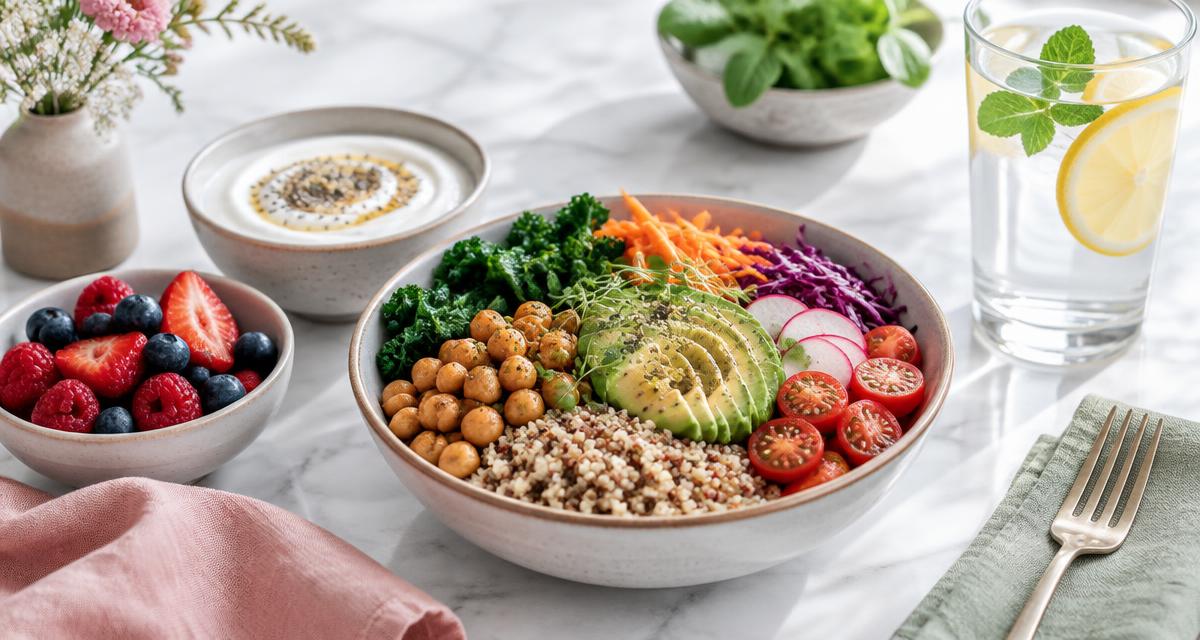 What to Eat for Clear Skin: A Guide for WomenLearn what to eat for clear skin, what acne research suggests about diet, and when women should seek professional treatment.
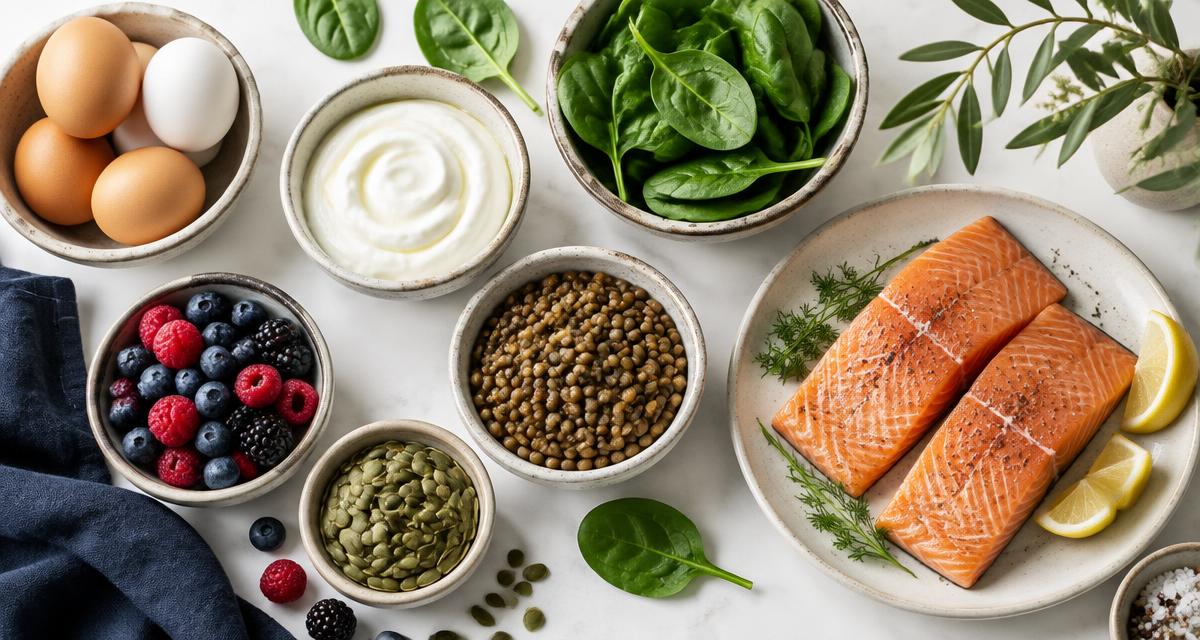 Foods for Healthy Hair: A Women’s Nutrition GuideBuild a healthy hair diet with protein, iron, zinc and varied foods, plus learn when hair loss in women needs medical advice.
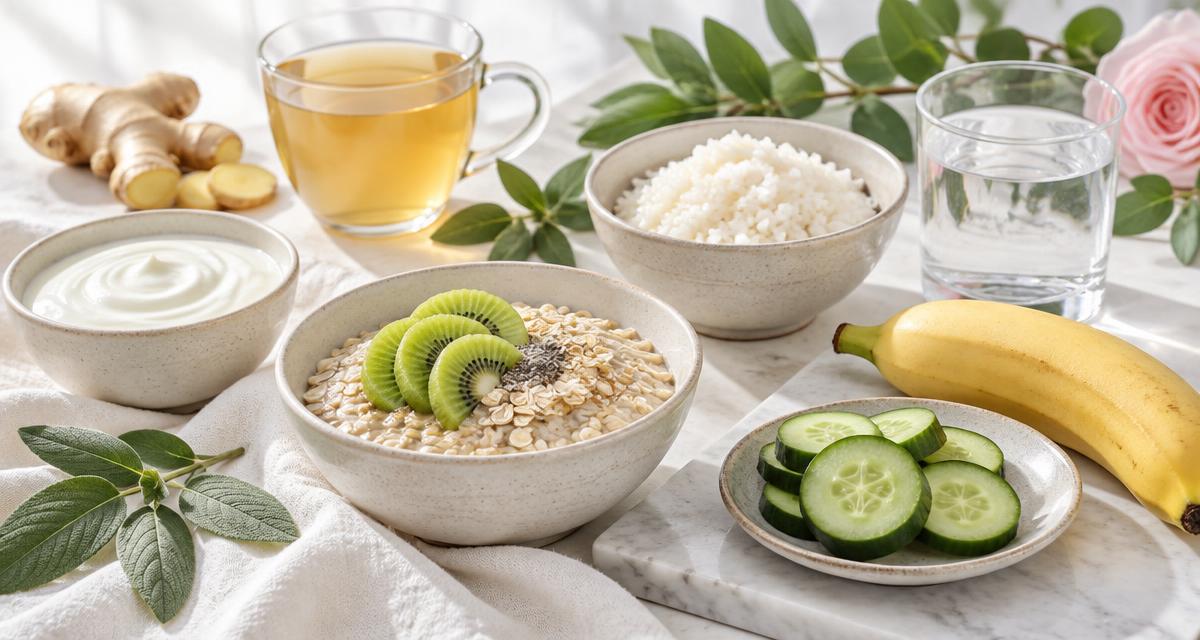 How to Reduce Bloating in Women: Food & Cycle TipsLearn how to reduce bloating in women with practical food, eating and cycle tips—and recognize symptoms that need medical care.
- PCOS Diet Plan for Women: Weight Loss GuideBuild a practical PCOS diet plan for weight loss with protein, fibre, balanced carbs and flexible meal ideas for women in the US and UK.

Continue reading
- Women's Nutrition · 7 minFoods for Hormonal Health: A Practical Guide
Learn which foods support normal hormone production, blood sugar, gut health and energy—and why no single food can balance hormones.
- Women's Nutrition · 6 minIron-Rich Foods for Women: What to Eat and What Blocks Absorption
The best iron-rich foods for women, how much iron you need, why deficiency is so common, and the pairing trick that doubles absorption.
- Menopause Nutrition · 13 minMenopause Diet Plan: Food, Exercise & Symptoms
A practical menopause diet plan for women in the US and UK, covering symptoms, protein, fibre, bone health, exercise and weight changes.


