Beauty Sleep: What It Can—and Cannot—Do for Skin
Does beauty sleep work? A realistic guide to sleep and skin health, a calmer bedtime routine, dark-circle myths and when sleep problems need support.
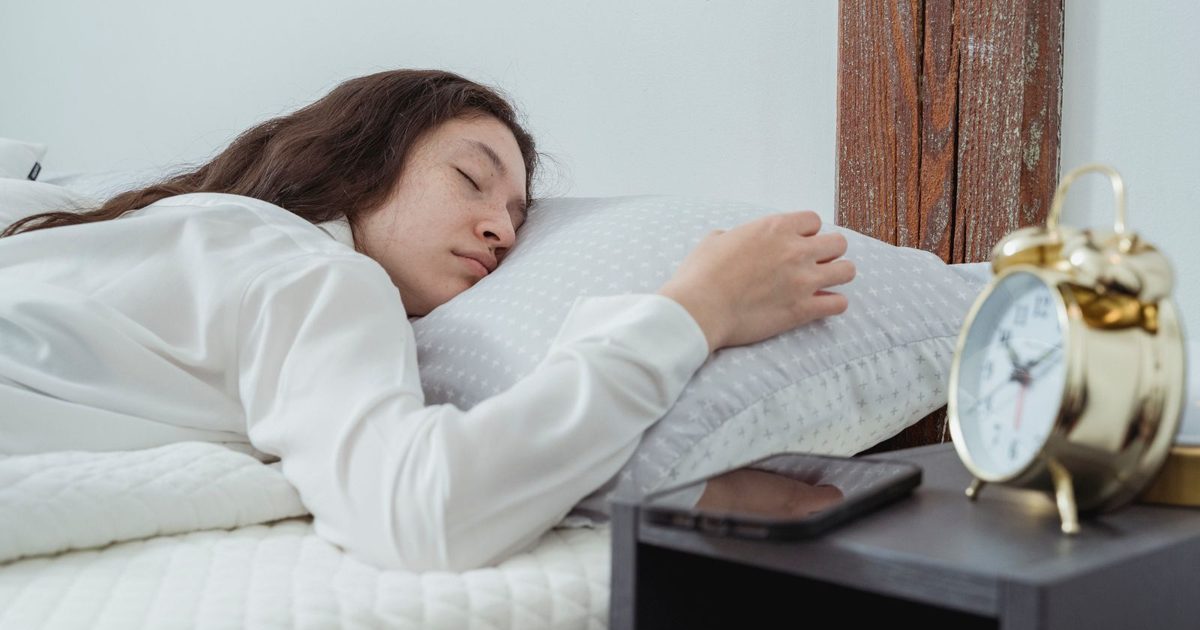
Beauty sleep is a catchy name for a real health priority, not a cosmetic treatment. Sleep supports everyday functioning and wellbeing. Research links poor sleep with some measures of skin health, but it does not prove that sleeping longer will clear acne, erase wrinkles or make every woman look different.
Most healthy adults need around seven to nine hours, with individual variation. The goal is enough restorative sleep for you—not forcing an exact number or feeling guilty about a difficult night. Shift work, caring responsibilities, periods and menopause symptoms can all make a regular routine harder.
What the skin evidence actually says
Small studies and dermatology reviews suggest connections between poor sleep, skin-barrier function and visible signs of ageing. These findings are interesting, but associations do not establish a guaranteed beauty benefit. Skin problems can disturb sleep too, so the relationship can run both ways.
Dark circles are not a reliable sleep test. Genetics, pigmentation, allergies and the shape of the skin around your eyes can contribute. Sleep may help you feel more rested without removing them. New or persistent changes, particularly with other symptoms, deserve individual advice rather than a supplement bought from a video.
A calmer evening routine you can repeat
Keep a fairly consistent wake-up time where possible. Allow a short wind-down before bed: dim the lights, put work aside and choose something relaxing, such as reading or quiet music. An elaborate wellness ritual is unnecessary.
Avoid late caffeine if it keeps you awake, and do not rely on alcohol as a sleep aid. Keep the bedroom comfortably cool, dark and quiet when practical. If scrolling makes you alert or anxious, put the phone out of reach; the useful change is reducing stimulation, not buying a special beauty device.
Cleanse gently and moisturise before bed if those steps suit your skin. There is no need for overnight lemon juice, harsh peeling masks or a new active ingredient every night. A comfortable routine is more useful than going to bed with sore, irritated skin.
Food, movement and sleep: keep it ordinary
Eat enough across the day. If hunger keeps you awake, a modest snack that suits you can be reasonable; there is no universal ban on eating after a certain hour. Large late meals may worsen reflux in some people. Avoid treating cherry juice, collagen or magnesium products as proven beauty-sleep fixes.
Regular activity and time outdoors can support a healthy daily routine. Choose movement you enjoy rather than exercising to exhaustion to earn sleep. Procaaf Coach can help organise manageable workouts and meals, but it cannot treat insomnia. For a practical starting point, read procaaf.com
When self-care is not enough
Speak to a clinician if poor sleep persists, affects daily life or comes with loud snoring, gasping or severe daytime sleepiness. Pain, itching, anxiety and menopause symptoms may need specific support. Do not drive when sleepy.
If night sweats or hot flushes repeatedly wake you, discuss menopause care rather than assuming you need a stricter routine. Persistent insomnia has effective treatments; sleeping tablets and supplements should not be a default beauty habit. One bad night is not a beauty emergency.
Sources and photo credit
NHS sleep guidance nhs.uk and insomnia information nhs.uk
Clinical and Experimental Dermatology: review of sleep and skin academic.oup.com and a study of sleep quality and skin measures doi.org The cosmetic evidence is limited and does not support guaranteed results.
Photo: Miriam Alonso via Pexels pexels.com General education, not a diagnosis or treatment plan.
 Skin Cycling: Is the Viral 4-Night Routine Worth Trying?The viral skin cycling routine explained: exfoliation night, retinoid night and two recovery nights, plus who should skip it and how to start gently.
 Simple Skincare Routine for Women: Less, but BetterBuild a simple skincare routine with gentle cleansing, moisturiser and SPF. Practical morning and evening steps, skin-type tips and habits to avoid.
 Menopause Skin Care: Gentle Help for Dry, Changing SkinDry or itchy skin around menopause? Learn gentle skincare habits, SPF basics, what products cannot promise and when changing skin needs medical advice.
 “Cortisol Belly”: What the Trend Gets Right and WrongIs cortisol belly real? What stress hormones actually do to belly fat, why 'cortisol detox' drinks don't help, and five habits backed by evidence.
Continue reading
 Women's Nutrition · 6 minHow to Stop Cravings for Real: 7 Habits That Work
Why cravings happen and seven realistic habits to manage them—regular meals, protein, sleep and no banned foods—without guilt or extreme rules.
 Women's Fitness · 6 minThe 12-3-30 Workout: Does the Viral Treadmill Routine Work?
What the 12-3-30 treadmill workout is, who it suits, how to start safely if you're a beginner, and how to pair it with strength training.
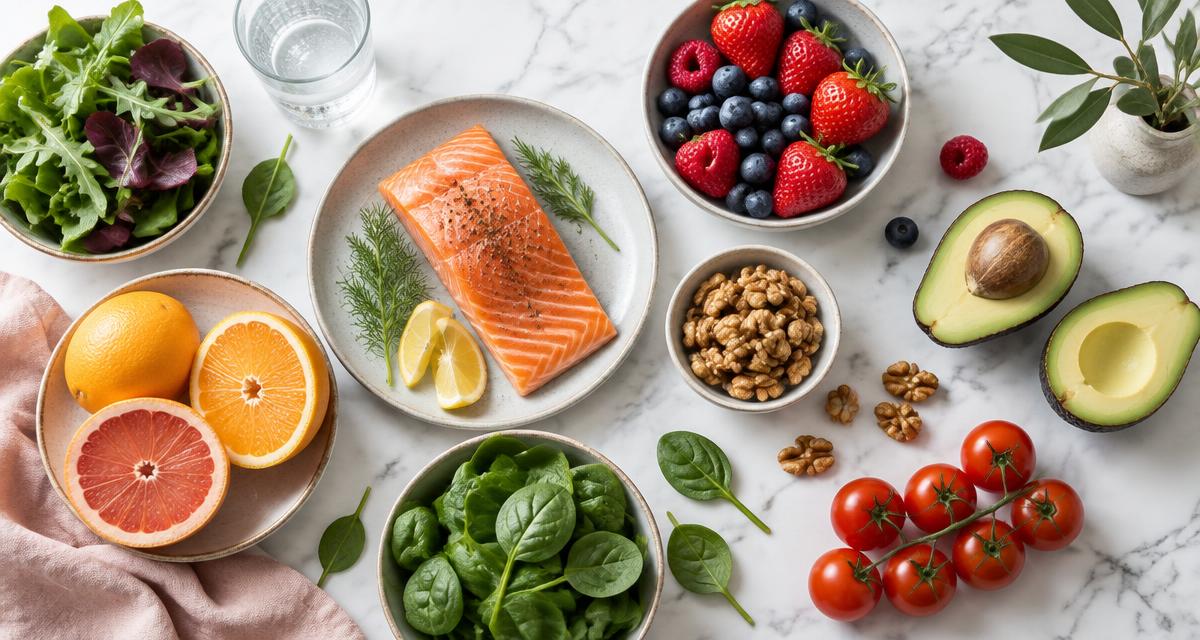 Skin & Nutrition · 9 minFoods for Glowing Skin: What Actually Helps
Discover foods that support healthy skin, hydration and collagen, with practical meal ideas and evidence-aware advice for women.