How to Stop Cravings for Real: 7 Habits That Work
Why cravings happen and seven realistic habits to manage them—regular meals, protein, sleep and no banned foods—without guilt or extreme rules.
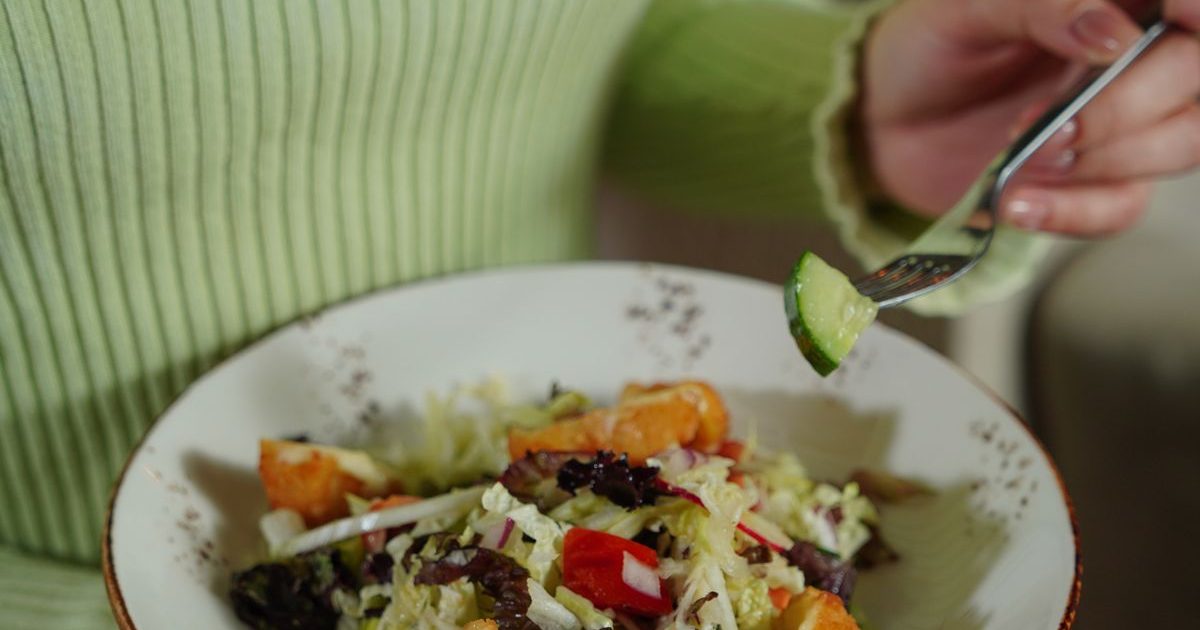
Cravings are normal. They often come from being too hungry, tired, stressed or bored, from habits (a sweet after dinner), and for many women from hormone changes before a period. The aim isn't to never crave anything — it's to stop cravings running the day.
Strict bans often backfire: telling yourself a food is off-limits can make you think about it more. These seven habits work with your body instead.
Seven habits that help
1. Eat regularly: skipping meals makes you ravenous later. Aim for meals every 3–5 hours.
2. Add protein and fibre to each meal: eggs, yoghurt, beans, fish, tofu, wholegrains and vegetables help you stay full.
3. Plan a satisfying snack: fruit with nuts, or yoghurt, in the afternoon when cravings often peak.
4. Sleep: short sleep is linked with stronger appetite, especially for high-sugar foods.
5. Pause and check: ask if you're hungry, thirsty, tired or stressed. A glass of water, a short walk or a break may be what you need.
6. Keep favourites, in portions: enjoy a piece of chocolate after a meal rather than banning it and then overeating.
7. Change the cue: if you always snack in front of the TV, try tea or a different routine.
Cravings before your period
Many women notice stronger cravings in the days before a period. Regular balanced meals, enough sleep, gentle activity and being kind to yourself help. If premenstrual symptoms seriously affect your life, talk to a GP: nhs.uk
When to get support
If you often feel out of control around food, eat large amounts in secret, or feel very guilty after eating, talk to a doctor or contact an eating disorder charity such as Beat (UK) or NEDA (US). Support is available and works.
Frequently asked questions
- Do cravings mean my body lacks a nutrient?
- Usually not. Most cravings are linked to hunger, habits, emotions or hormones rather than a specific deficiency.
- How long does it take for sugar cravings to fade?
- It varies. Many people notice cravings ease after a couple of weeks of regular, balanced meals and better sleep.
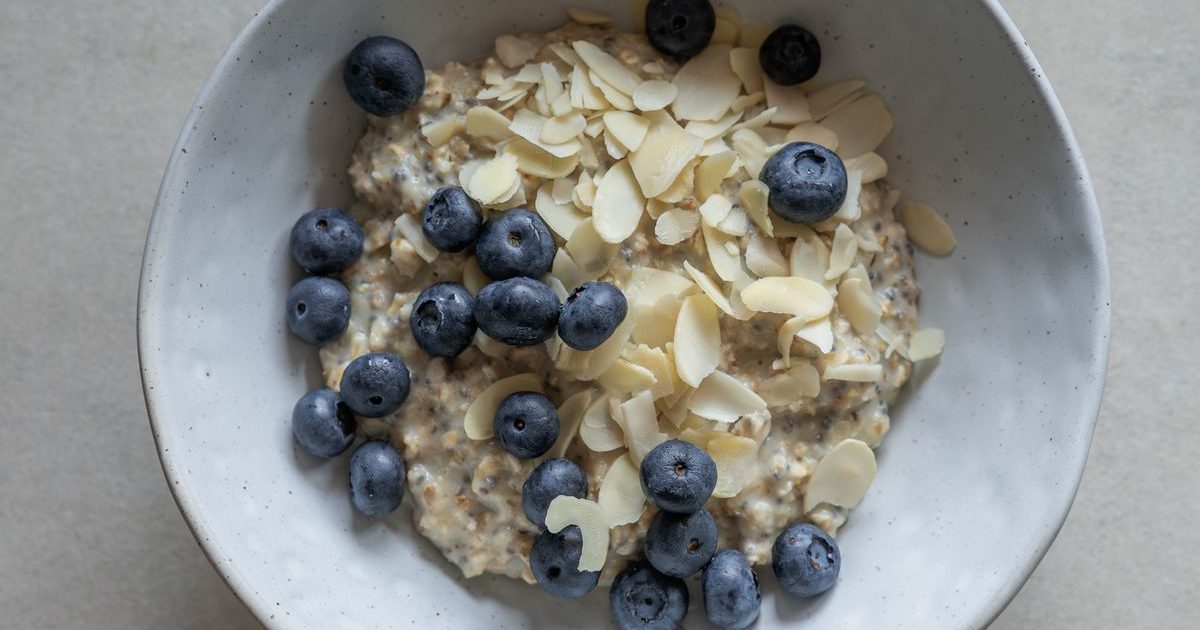 5 Foods That Really Boost Energy (and Why They Work)Tired all afternoon? Five everyday foods that give steady energy—oats, eggs, beans, nuts and fruit—plus simple pairings and when tiredness needs a doctor.
- Foods for Hormonal Health: A Practical GuideLearn which foods support normal hormone production, blood sugar, gut health and energy—and why no single food can balance hormones.
- Protein for Women Over 40: How Much You Need and Where to Get ItWhy protein needs rise after 40, the best protein foods for women, and how to hit 100+ g a day with ordinary meals — no shakes required.
- Iron-Rich Foods for Women: What to Eat and What Blocks AbsorptionThe best iron-rich foods for women, how much iron you need, why deficiency is so common, and the pairing trick that doubles absorption.


Continue reading
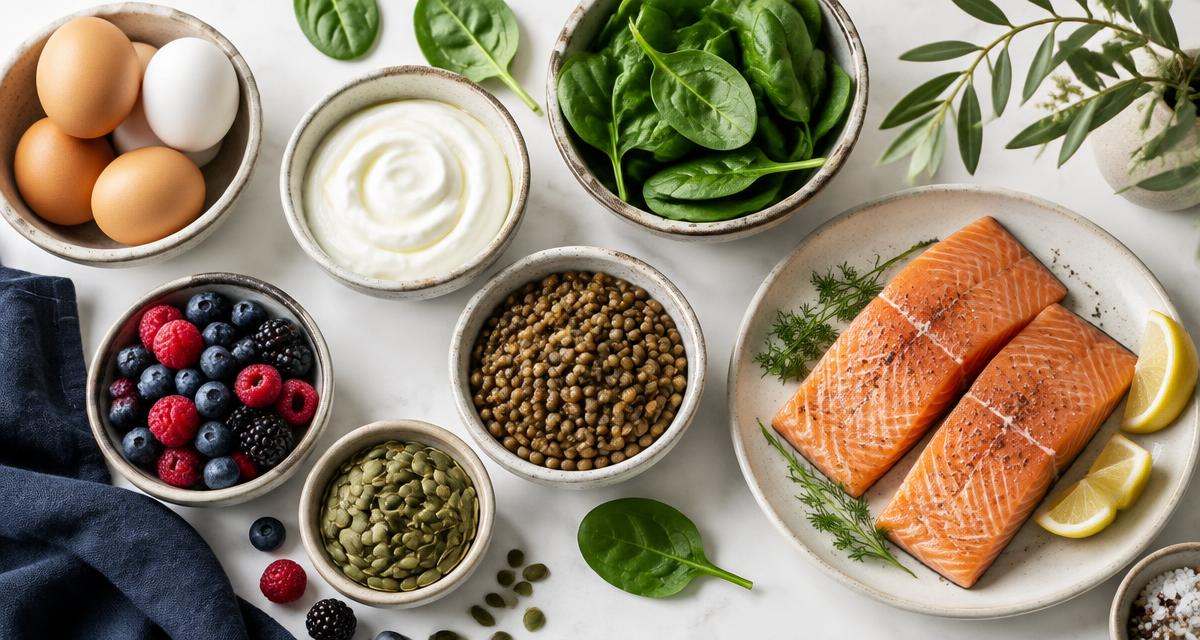 Hair & Nutrition · 10 minFoods for Healthy Hair: A Women’s Nutrition Guide
Build a healthy hair diet with protein, iron, zinc and varied foods, plus learn when hair loss in women needs medical advice.
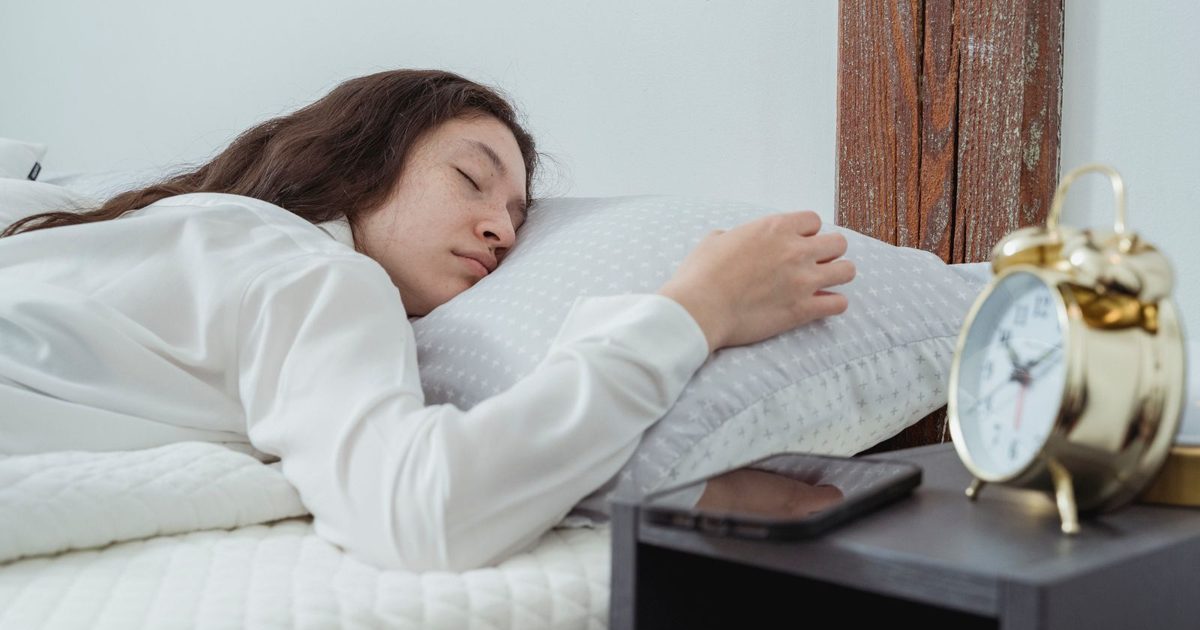 Women's Beauty & Wellbeing · 5 minBeauty Sleep: What It Can—and Cannot—Do for Skin
Does beauty sleep work? A realistic guide to sleep and skin health, a calmer bedtime routine, dark-circle myths and when sleep problems need support.
- Fat Loss · 6 minHow Much Protein Women Need for Fat Loss
A clear protein target for women in a deficit, why the usual 60 g falls short, and a day of real food that reaches it without extra calories.
