5 Foods That Really Boost Energy (and Why They Work)
Tired all afternoon? Five everyday foods that give steady energy—oats, eggs, beans, nuts and fruit—plus simple pairings and when tiredness needs a doctor.
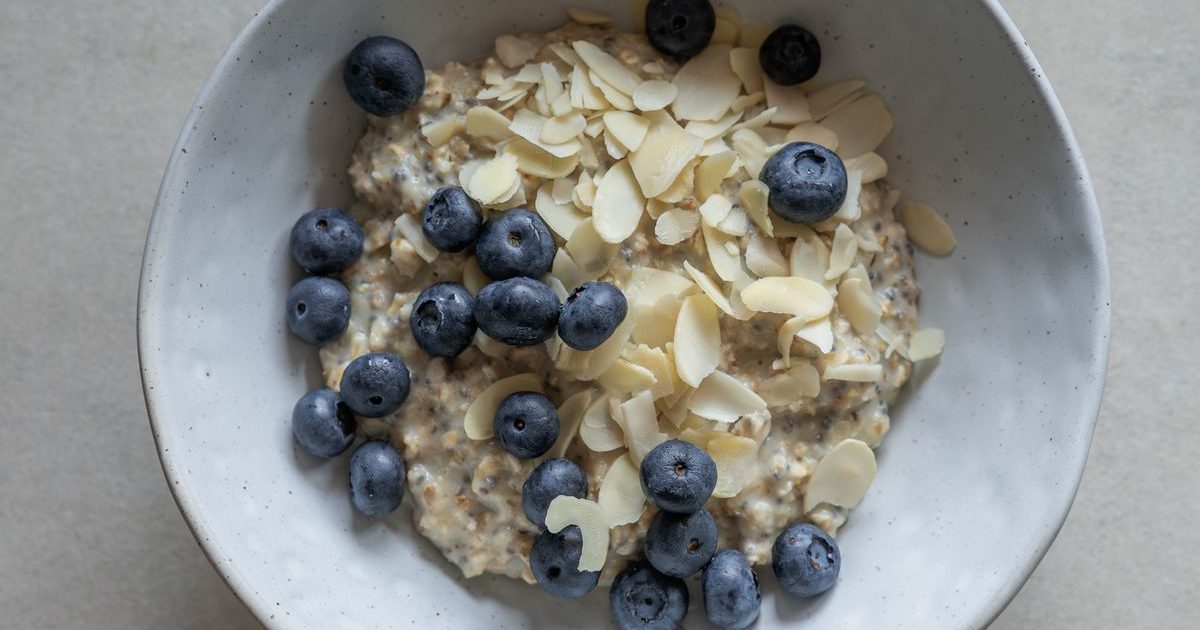
No food works like a switch for energy. All food gives you energy as calories. The foods that make you feel steadier are the ones that release it slowly, keep you full, and supply nutrients your body uses to make energy, such as iron and B vitamins. Pairing fibre-rich carbohydrate with protein is the simplest trick.
Here are five easy foods to build around, and what to pair them with.
1. Oats
Oats are a wholegrain with soluble fibre, so they digest more slowly than sugary cereal. Top them with yoghurt or milk for protein and fruit for sweetness. The NHS Eatwell Guide recommends basing meals on higher-fibre starchy foods: nhs.uk
2. Eggs
Eggs provide protein and B12. Adding protein to breakfast or lunch helps many people feel fuller for longer. Try eggs on wholegrain toast with tomatoes or spinach.
3. Beans and lentils
Beans, lentils and chickpeas combine protein, fibre and iron. Iron matters for women: periods mean many women need more of it, and low iron can cause tiredness. Eat them with vitamin C foods, such as peppers or citrus, to help your body absorb plant iron.
4. Nuts and seeds
A small handful of nuts or seeds adds healthy fats, protein and magnesium. They make a better afternoon snack than sweets because they don't lead to a quick rise and dip.
5. Fruit with yoghurt
Fruit gives quick natural sugar plus fibre and water; yoghurt adds protein to slow it down. A banana with yoghurt is an easy pre-workout snack.
Don't forget water, sleep and movement
Even mild dehydration can make you feel tired, so drink regularly. Sleep and regular activity affect energy more than any single food. Big lunches heavy in refined carbs can make afternoons feel sluggish; balanced plates help.
See a doctor if you are tired all the time for weeks, especially with heavy periods, breathlessness, pale skin or low mood. These can be signs of anaemia, thyroid problems or other conditions: nhs.uk
Frequently asked questions
- What is the fastest food for energy?
- Fruit or a slice of toast gives quick energy. Pair it with protein, such as yoghurt or nut butter, so it lasts longer.
- Do energy drinks help?
- They mostly rely on caffeine and sugar. They can give a short lift but may disturb sleep, which makes tiredness worse over time.
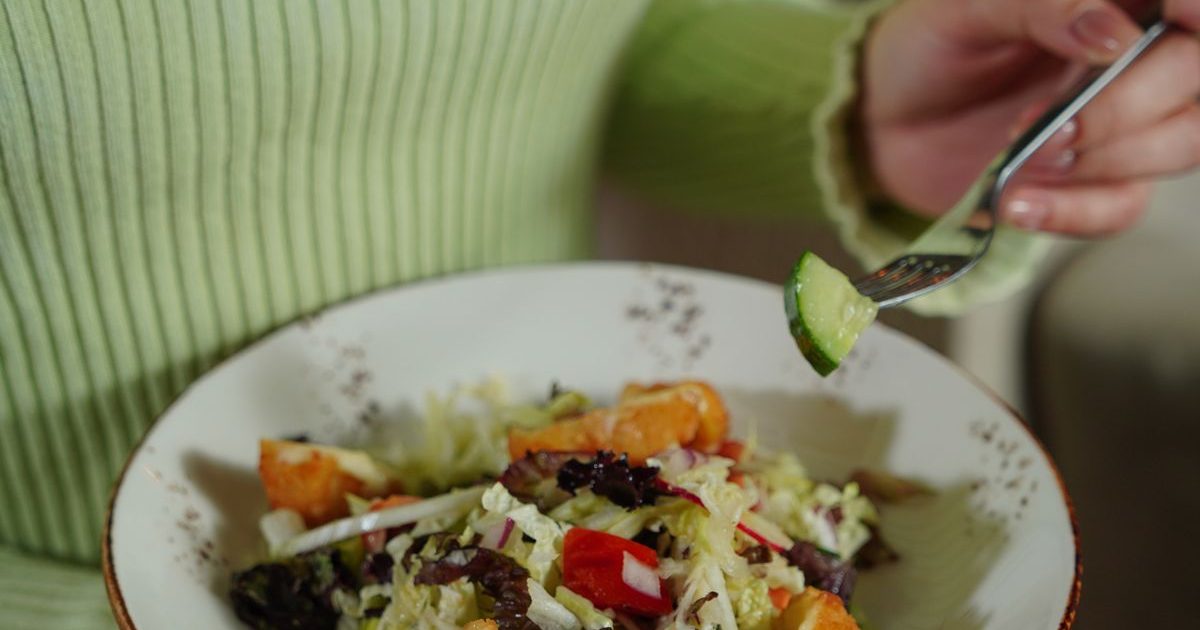 How to Stop Cravings for Real: 7 Habits That WorkWhy cravings happen and seven realistic habits to manage them—regular meals, protein, sleep and no banned foods—without guilt or extreme rules.
- Foods for Hormonal Health: A Practical GuideLearn which foods support normal hormone production, blood sugar, gut health and energy—and why no single food can balance hormones.
- Protein for Women Over 40: How Much You Need and Where to Get ItWhy protein needs rise after 40, the best protein foods for women, and how to hit 100+ g a day with ordinary meals — no shakes required.
- Iron-Rich Foods for Women: What to Eat and What Blocks AbsorptionThe best iron-rich foods for women, how much iron you need, why deficiency is so common, and the pairing trick that doubles absorption.


Continue reading
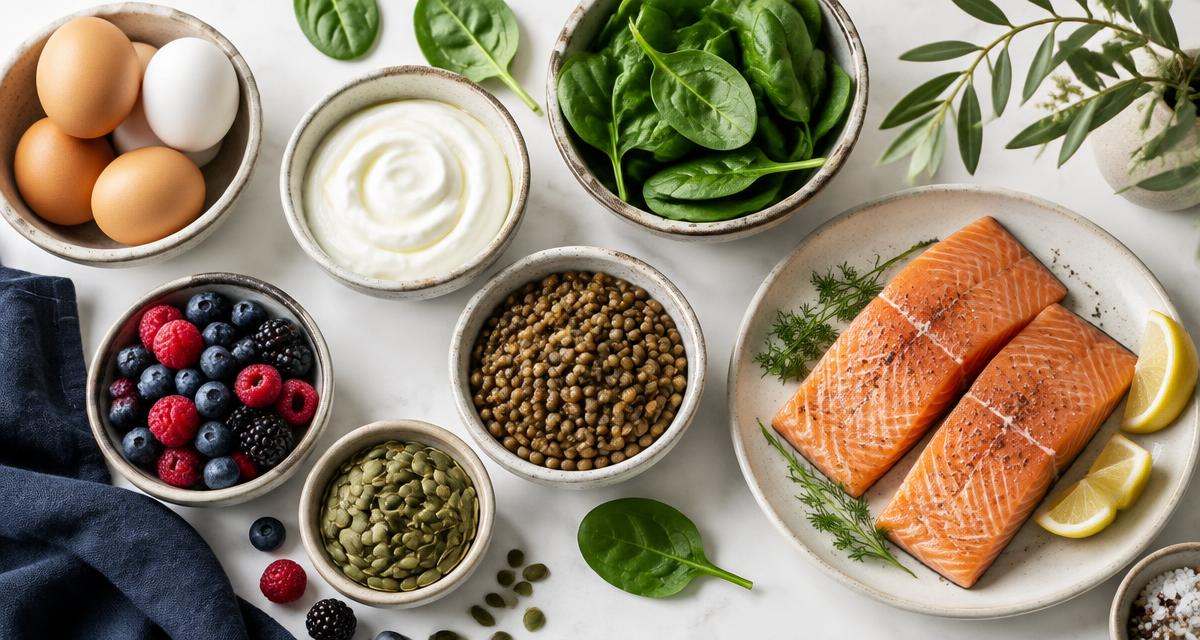 Hair & Nutrition · 10 minFoods for Healthy Hair: A Women’s Nutrition Guide
Build a healthy hair diet with protein, iron, zinc and varied foods, plus learn when hair loss in women needs medical advice.
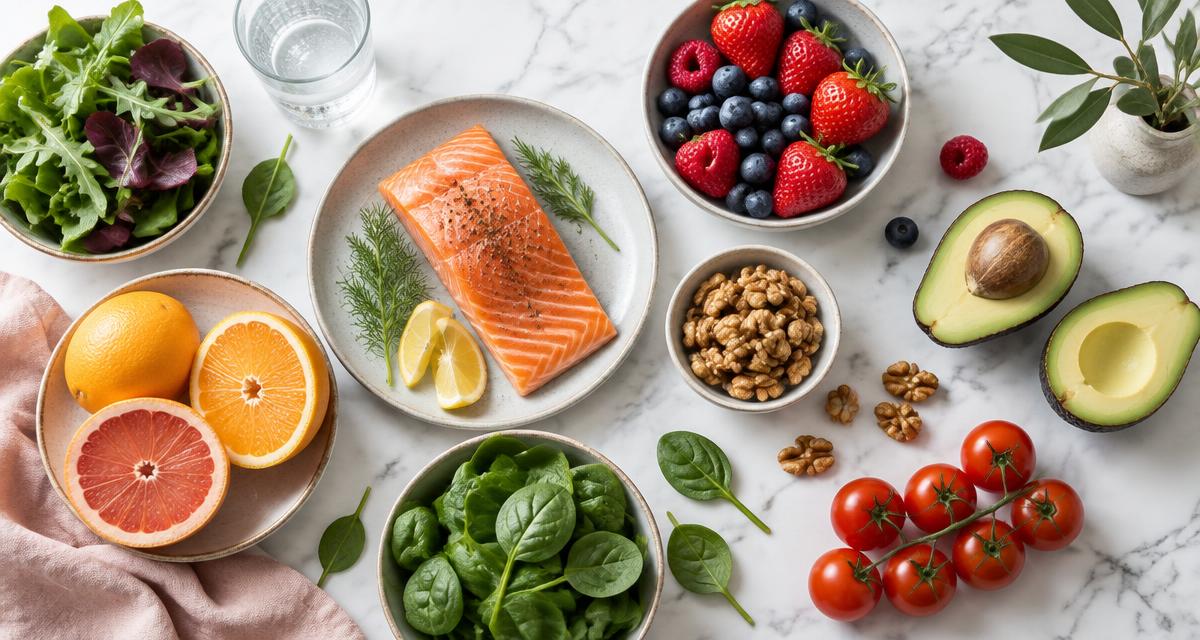 Skin & Nutrition · 9 minFoods for Glowing Skin: What Actually Helps
Discover foods that support healthy skin, hydration and collagen, with practical meal ideas and evidence-aware advice for women.
- Protein · 7 minThe Hidden Protein Gap: Why Most Women Eat Half of What They Need
Most women get 40–60 g of protein a day when their body needs 90–120 g. Here is where the gap comes from, what it costs you, and how to close it with real food.
