How to Build a Beauty Plan That Actually Sticks
A beauty plan works when it is small enough to keep. Combine a simple skincare routine, skin-friendly meals and a few weekly habits around your skin type and life stage.
Quick answers
- What should a beauty plan include?
Include a simple morning and evening skincare routine, balanced meals and a few repeatable habits. Match products to your skin type and life stage. The goal is comfort and protection, not a guaranteed change in appearance.
AAD: simple skincare- What is a simple skincare routine for women?
Start with gentle cleansing, moisturiser and sun protection. Cleanse before bed; use water or a gentle cleanser in the morning. Choose products suited to your skin and avoid adding several new products at once.
AAD: simple skincare- What SPF should I use, and how often should I reapply?
Choose broad-spectrum, water-resistant SPF 30 or higher on exposed skin. Outdoors, reapply every two hours and after swimming or sweating, following the label. Use shade and protective clothing too.
AAD: sunscreen advice

Most beauty plans fail for the same reason most diets fail: they ask for too much, too fast. A ten-step routine copied from social media lasts a week; a gentle cleanser, moisturiser and sunscreen used every morning lasts for years. A plan that sticks is built from a few habits you can repeat on your busiest, tiredest days—not from an ideal version of your life.
This guide shows how to put together a realistic beauty plan covering skincare, food and weekly habits, and how to adjust it for your skin type and life stage. It is general education, not dermatology advice; persistent skin problems deserve a clinician, not another product.
Start with the smallest routine that works
The evidence-backed core of skincare is unglamorous: gentle cleansing, moisturiser and broad-spectrum SPF 30 or higher on exposed skin every morning. Everything else—serums, acids, retinoids—is optional and should be added one product at a time, weeks apart, so you can tell what helps and what irritates.
Write your routine down as two short lists: morning and evening. If either list has more than four steps, ask what you would drop on a bad day, and make that the real plan. Consistency with three steps beats ambition with nine.
Match the plan to your skin, not to a trend
Dry or reactive skin usually does better with fewer products, fragrance-free formulas and richer moisturisers. Oily or acne-prone skin may suit lighter, non-comedogenic products—but harsh scrubbing and over-washing can make things worse, not better.
Life stage matters too. Skin often becomes drier around perimenopause and menopause, so a routine that worked at 25 may need adjusting at 50. If you are pregnant, trying to conceive or breastfeeding, check active ingredients with a clinician or pharmacist first; retinoids, for example, are not recommended in pregnancy.
Add food habits that support skin
No single food creates glowing skin, but patterns help: regular meals with protein, colourful vegetables and fruit, oily fish or other sources of omega-3 fats, and enough fluid through the day. Highly restrictive diets can show up in your skin, hair and nails before anywhere else.
Be sceptical of detox teas, collagen promises and supplements marketed with before-and-after photos. A varied diet covers most needs; supplements are for specific gaps, ideally confirmed with a professional. For practical food ideas, read procaaf.com
Choose three weekly habits—and protect them
Pick a small number of habits that support everything else: a consistent bedtime, a short walk most days, and one hour a week to restock and reset (wash pillowcases, clean makeup brushes, check what is running low). Sleep, movement and not smoking do more for how skin looks over time than any single cream.
Attach each habit to something that already happens—after brushing your teeth, after the school run—rather than relying on motivation. Review the plan monthly: keep what you actually did, shrink what you skipped, and change one thing at a time.
When to get professional help instead
A beauty plan is for comfort and maintenance, not for treating disease. Painful or scarring acne, a persistent rash, sudden hair loss, or a mole that changes in size, shape or colour all warrant a GP or dermatologist. Stop any product that causes significant burning or swelling; severe swelling or breathing difficulty needs urgent care.
If you want help organising the routine itself, Procaaf Coach can build a skincare-and-nutrition plan around your age, skin type, concerns and life stage—morning and evening steps, weekly habits and skin-friendly meals you can save, print and share.
Sources and photo credit
American Academy of Dermatology: skin care basics and product order aad.org NHS: medicines in pregnancy nhs.uk and vitamins, supplements and nutrition nhs.uk
Photo via Pexels pexels.com General education, not personalised dermatology advice.
 How to Follow Your Beauty Plan: The First 30 DaysA beauty plan only works if you follow it. A practical week-by-week guide to the first 30 days: habit cues, busy-day fallbacks, tracking and when to adjust.
 Seasonal Skincare: How to Adjust Your Routine Through the YearYour skin in January is not your skin in July. A practical guide to adjusting cleanser, moisturiser, actives and SPF through the seasons—without replacing your whole routine.
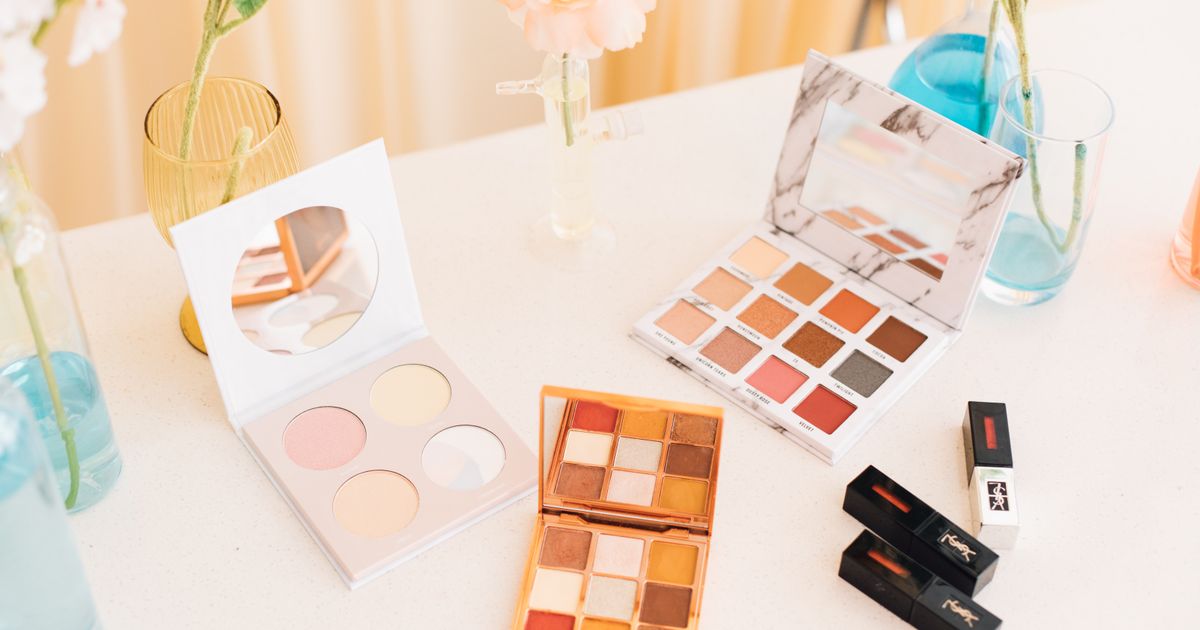 Makeup for Women: A Sensible Guide to Looking Polished, Not PaintedA practical, skin-friendly approach to everyday makeup: a base that lets skin breathe, simple eyes and lips, the hygiene rules that matter, and adjustments for mature skin.
 Skin Cycling: Is the Viral 4-Night Routine Worth Trying?The viral skin cycling routine explained: exfoliation night, retinoid night and two recovery nights, plus who should skip it and how to start gently.
Continue reading
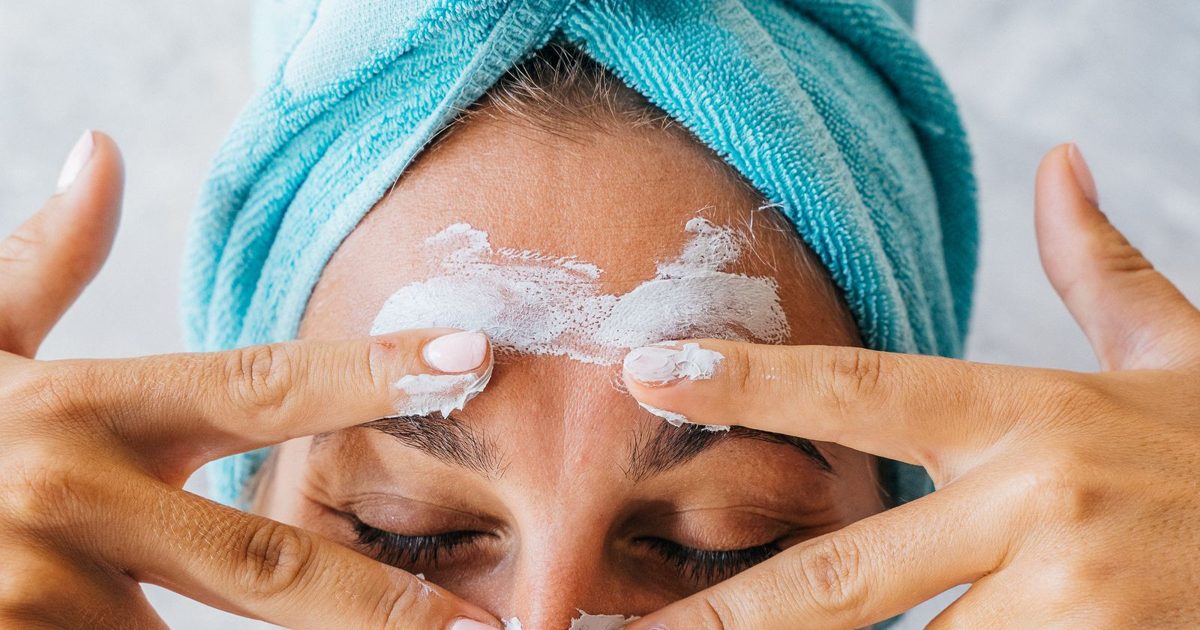 Women's Beauty & Wellbeing · 5 minSimple Skincare Routine for Women: Less, but Better
Build a simple skincare routine with gentle cleansing, moisturiser and SPF. Practical morning and evening steps, skin-type tips and habits to avoid.
 Women's Beauty & Wellbeing · 5 minBeauty Sleep: What It Can—and Cannot—Do for Skin
Does beauty sleep work? A realistic guide to sleep and skin health, a calmer bedtime routine, dark-circle myths and when sleep problems need support.
- Meal Prep · 7 minMeal Prep for Fat Loss: A Simple Weekly System for Women
A realistic meal prep system for fat loss: high-protein plates, portion anchors, and a 2-hour Sunday routine that keeps weekday eating on track.
