Seasonal Skincare: How to Adjust Your Routine Through the Year
Your skin in January is not your skin in July. A practical guide to adjusting cleanser, moisturiser, actives and SPF through the seasons—without replacing your whole routine.
Quick answers
- How should I change skincare in winter?
If skin feels dry, try a gentler cleanser, lukewarm water and a richer moisturiser on damp skin. Reduce irritating products and keep sun protection. Change one product at a time rather than replacing your whole routine.
AAD: simple skincare- What SPF should I use, and how often should I reapply?
Choose broad-spectrum, water-resistant SPF 30 or higher on exposed skin. Outdoors, reapply every two hours and after swimming or sweating, following the label. Use shade and protective clothing too.
AAD: sunscreen advice

Skin is not the same organ all year. Cold air, indoor heating, summer humidity and sun exposure all change how much water your skin holds and how it reacts to products. The routine that felt perfect in August can leave you tight and flaky by December.
The good news: seasonal skincare is mostly about small adjustments, not a new shelf of products. This guide covers what actually changes with the seasons and how to respond. It is general education, not dermatology advice—persistent skin problems deserve a clinician.
Winter: protect the barrier
Cold air holds less moisture, and indoor heating dries skin further. The common signs are tightness after washing, flaking around the nose and eyebrows, and lips that never quite recover. The fix is rarely a stronger cleanser—it is a gentler one, used with lukewarm rather than hot water.
Switch to a richer moisturiser and apply it to slightly damp skin to trap water. If you use retinoids or exfoliating acids and your skin starts stinging, reduce frequency rather than pushing through; a compromised barrier makes everything else worse. And keep the sunscreen: UV does not take the winter off, especially with snow glare.
Summer: lighten up, double down on SPF
Heat and humidity mean skin produces more oil and sweat, so the rich winter cream can start feeling heavy or congesting. A lighter lotion or gel moisturiser is often enough. Resist the urge to over-wash; cleansing twice a day is plenty, and stripping the skin can prompt more oil, not less.
Sun protection is the one non-negotiable: broad-spectrum SPF 30 or higher on exposed skin every morning, reapplied if you are outdoors for hours. Hats and shade do more than any after-sun product. If you use vitamin C or other antioxidants, summer is when they earn their place—under sunscreen, not instead of it.
Spring and autumn: transition gently
The in-between months are when most irritation happens, because people change everything at once. Swap one product at a time—moisturiser first, then cleanser—and give each change two weeks before judging it. Skin that is 'suddenly sensitive' in March is often just skin reacting to three new products in a fortnight.
These are also good months to audit what you own: check expiry dates, bin anything that has changed smell or texture, and clean brushes and sponges. A smaller, fresher collection beats a crowded one.
What never changes
Some things are season-proof: gentle cleansing, moisturiser matched to how your skin feels that month, daily SPF on exposed skin, and not smoking. Sleep, regular meals and hydration show up in skin more reliably than any seasonal serum.
Life stage interacts with season too. Skin that became drier around perimenopause may need the 'winter' approach most of the year. If you are pregnant or breastfeeding, check active ingredients with a clinician or pharmacist before changing anything—retinoids, for example, are not recommended in pregnancy.
When to see a professional
Seasonal dryness is normal; a rash that spreads, acne that scars, or a mole that changes is not a skincare problem. See a GP or dermatologist for anything persistent, painful or changing. Stop any product that causes significant burning or swelling; severe swelling or breathing difficulty needs urgent care.
If you want a routine that already accounts for your skin type, concerns and life stage, Procaaf Coach can build a beauty plan with morning and evening steps, weekly habits and skin-friendly meals you can save, print and adjust as the seasons change.
Sources and photo credit
American Academy of Dermatology: skin care basics aad.org NHS: sunscreen and sun safety nhs.uk and medicines in pregnancy nhs.uk
Photo via Pexels pexels.com General education, not personalised dermatology advice.
 How to Follow Your Beauty Plan: The First 30 DaysA beauty plan only works if you follow it. A practical week-by-week guide to the first 30 days: habit cues, busy-day fallbacks, tracking and when to adjust.
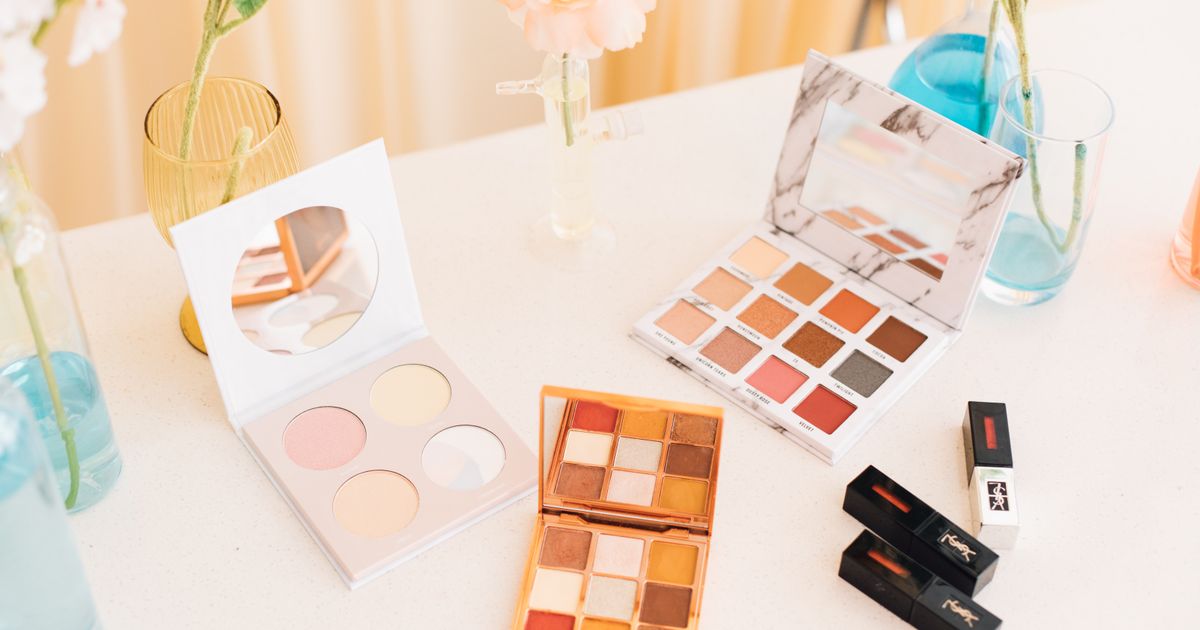 Makeup for Women: A Sensible Guide to Looking Polished, Not PaintedA practical, skin-friendly approach to everyday makeup: a base that lets skin breathe, simple eyes and lips, the hygiene rules that matter, and adjustments for mature skin.
 Skin Cycling: Is the Viral 4-Night Routine Worth Trying?The viral skin cycling routine explained: exfoliation night, retinoid night and two recovery nights, plus who should skip it and how to start gently.
 Simple Skincare Routine for Women: Less, but BetterBuild a simple skincare routine with gentle cleansing, moisturiser and SPF. Practical morning and evening steps, skin-type tips and habits to avoid.
Continue reading
 Women's Beauty & Wellbeing · 5 minMenopause Skin Care: Gentle Help for Dry, Changing Skin
Dry or itchy skin around menopause? Learn gentle skincare habits, SPF basics, what products cannot promise and when changing skin needs medical advice.
 Women's Beauty & Wellbeing · 6 minHow to Build a Beauty Plan That Actually Sticks
A beauty plan works when it is small enough to keep. Combine a simple skincare routine, skin-friendly meals and a few weekly habits around your skin type and life stage.
 Women's Beauty & Wellbeing · 5 minBeauty Sleep: What It Can—and Cannot—Do for Skin
Does beauty sleep work? A realistic guide to sleep and skin health, a calmer bedtime routine, dark-circle myths and when sleep problems need support.