Makeup for Women: A Sensible Guide to Looking Polished, Not Painted
A practical, skin-friendly approach to everyday makeup: a base that lets skin breathe, simple eyes and lips, the hygiene rules that matter, and adjustments for mature skin.
Quick answers
- What order should skincare and makeup go in?
Apply skincare and sun protection before makeup. Follow any prescribed treatment instructions first. Makeup with SPF should not be your only sun protection.
AAD: product order- How often should I wash makeup brushes?
Wash makeup brushes every seven to ten days to remove product buildup and harmful bacteria. Do not share brushes, and allow them to dry before using them.
AAD: cleaning makeup brushes
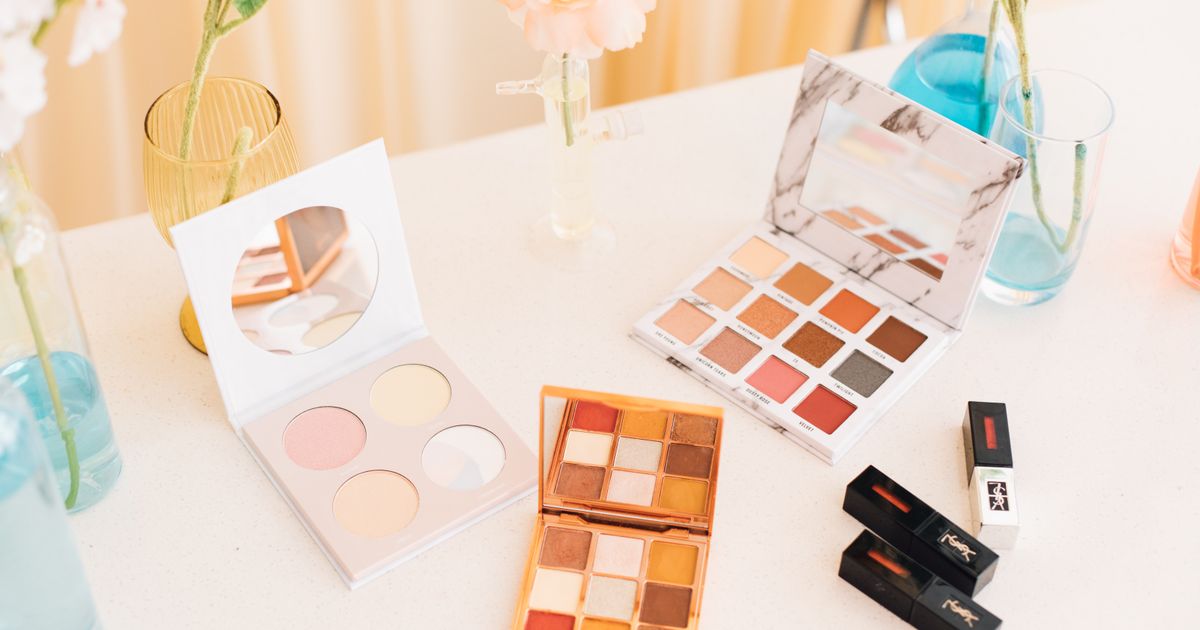
Makeup advice online tends to come in two flavours: a 20-step tutorial or a declaration that makeup is unnecessary. Most women want neither. They want to look awake and polished in ten minutes, without their skin paying for it later.
This guide covers the few decisions that matter most: a base that suits your skin, simple eye and lip choices, the hygiene rules that prevent breakouts and infections, and how to adjust as skin changes with age. General education, not professional makeup or dermatology advice.
Start with skin, not coverage
Makeup sits on top of skin, so the routine underneath decides how it looks. Moisturiser and sunscreen first, then base. If your base cakes or slides by midday, the fix is usually skincare or formula, not more powder.
For everyday wear, less base almost always looks better: a tinted moisturiser, BB cream or light foundation applied where you actually need it, rather than a full-face layer. Concealer does the targeted work—under eyes, around the nose, on a blemish—so the rest of your skin can look like skin.
Eyes and lips: pick one focal point
The fastest way to look deliberate rather than overdone is to choose one feature to emphasise. A defined eye with a neutral lip, or a bold lip with minimal eye makeup, reads as polished. Both at full strength reads as evening wear.
For a simple everyday eye: curl lashes, one coat of mascara, and a neutral shadow or just a touch of liner if you like. Brows frame everything—brushing them up and filling sparse spots often does more than any shadow. For lips, a tinted balm or a shade close to your natural lip colour is the lowest-maintenance option that still looks finished.
Hygiene rules that actually matter
Most makeup-related skin problems are hygiene problems. Wash brushes and sponges regularly—foundation tools weekly is a good baseline—and replace mascara roughly every three months, because the tube is a warm, dark home for bacteria. Never share eye or lip products.
Take makeup off before bed; sleeping in it is one of the more reliable ways to invite clogged pores and irritated eyes. And if a product stings, causes a rash or makes your eyes water persistently, stop using it—'beauty is pain' is a slogan, not dermatology. Patch-test new products on a small area if your skin is reactive.
Adjusting as skin changes
Skin that is drier—whether from winter, perimenopause or menopause—usually prefers cream and liquid formulas over powders, which can settle into lines and emphasise texture. A hydrating base, cream blush and a satin or balm lip tend to look fresher on mature skin than matte everything.
Colour preferences can shift too: as hair and skin tone change with age, shades that once worked may need softening. This is normal adjustment, not decline. If you are pregnant or breastfeeding, makeup is generally fine, but check any active-heavy 'cosmeceutical' products with a clinician or pharmacist.
When skin pushes back
If you suspect makeup is causing breakouts, simplify for two weeks: minimal base, clean tools, thorough evening removal. If things settle, reintroduce products one at a time to find the culprit. If they do not settle, or you have a persistent rash, painful acne or a changing mole, see a GP or dermatologist rather than switching products again.
Makeup works best on skin that is already cared for. Procaaf Coach can build a beauty plan around your skin type, concerns and life stage—morning and evening skincare, weekly habits and skin-friendly meals—so the canvas takes care of itself.
Sources and photo credit
American Academy of Dermatology: skin care basics aad.org NHS: medicines in pregnancy nhs.uk
Photo via Pexels pexels.com General education, not personalised dermatology or professional makeup advice.
 How to Follow Your Beauty Plan: The First 30 DaysA beauty plan only works if you follow it. A practical week-by-week guide to the first 30 days: habit cues, busy-day fallbacks, tracking and when to adjust.
 Seasonal Skincare: How to Adjust Your Routine Through the YearYour skin in January is not your skin in July. A practical guide to adjusting cleanser, moisturiser, actives and SPF through the seasons—without replacing your whole routine.
 Skin Cycling: Is the Viral 4-Night Routine Worth Trying?The viral skin cycling routine explained: exfoliation night, retinoid night and two recovery nights, plus who should skip it and how to start gently.
 Simple Skincare Routine for Women: Less, but BetterBuild a simple skincare routine with gentle cleansing, moisturiser and SPF. Practical morning and evening steps, skin-type tips and habits to avoid.
Continue reading
 Women's Beauty & Wellbeing · 6 minHow to Build a Beauty Plan That Actually Sticks
A beauty plan works when it is small enough to keep. Combine a simple skincare routine, skin-friendly meals and a few weekly habits around your skin type and life stage.
 Women's Beauty & Wellbeing · 5 minBeauty Sleep: What It Can—and Cannot—Do for Skin
Does beauty sleep work? A realistic guide to sleep and skin health, a calmer bedtime routine, dark-circle myths and when sleep problems need support.
 Women's Beauty & Wellbeing · 5 minMenopause Skin Care: Gentle Help for Dry, Changing Skin
Dry or itchy skin around menopause? Learn gentle skincare habits, SPF basics, what products cannot promise and when changing skin needs medical advice.